International Shipping of Portable Cabins: A Practical Guide
Cabin Dimensions and Weight Assessment
Accurate measurement of your portable cabin's length, width, height, and weight is paramount. These precise details enable the selection of the most appropriate transport method and facilitate accurate quotation generation, ensuring a seamless shipping process.
Shipping Method Determination
Container Type Considerations and Limitations
Standard Full Container Load (FCL) shipping is typically only viable for exceptionally small cabins. Consider the limitations imposed by standard container sizes:
| Container Type | Internal Dimensions (approx.) | Suitable Cabin Size |
|---|---|---|
| 20ft Standard | 5.9m x 2.35m x 2.39m | Very small cabins only |
| 40ft Standard | 12.0m x 2.35m x 2.39m | Small cabins only |
For cabins exceeding these dimensions, Out-of-Gauge (OOG) shipping becomes necessary. OOG transport options include:
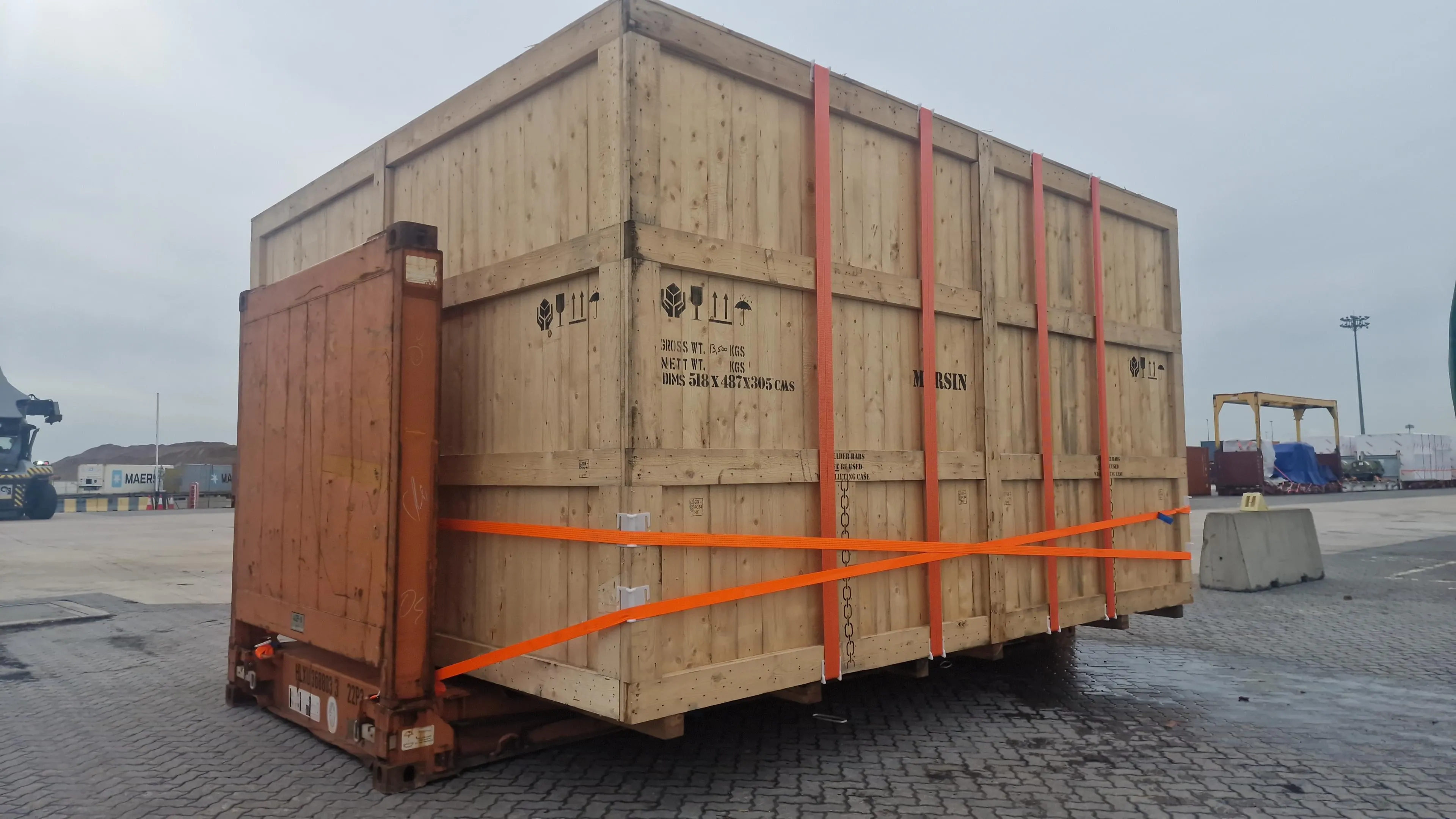
- Flat rack containers: Ideal for transporting cabins of unusual height or non-standard dimensions due to their open-top design.
- Open top containers: Facilitate straightforward loading of taller cabins, eliminating height restrictions.
Breakbulk shipping, involving the disassembly of the cabin for component-based transport, represents an alternative. However, this method is generally less efficient and more costly than OOG transport for pre-assembled cabins. Furthermore, it elevates the potential for damage during transit and reassembly.
Shipping Method Comparison
| Method | Advantages | Disadvantages |
|---|---|---|
| FCL | Cost-effective (for appropriately sized cabins), relatively rapid transit times, enhanced security. | Restricted to smaller cabins, potential for damage if adequate securing measures are not implemented. |
| OOG | Accommodates oversized cabins, offers flexible transport solutions, suitable for unusual shapes. | Higher cost, necessitates specialised handling procedures, potential for logistical delays. |
| Breakbulk | Suitable for cabins that can be disassembled, potentially lower initial transport costs. | Elevated overall expense due to disassembly and reassembly processes, time-intensive, increased susceptibility to damage, requires skilled labour at origin and destination. |
Permits and Documentation Acquisition
Acquire all mandatory permits and documentation pertinent to OOG or breakbulk shipments. This includes export/import licenses, customs declarations, Bills of Lading, Certificates of Origin, and certificates verifying weight and dimensions. Deficiencies or inaccuracies in documentation can lead to shipment delays. Ensure all paperwork is precise and submitted well in advance to mitigate potential disruptions.
Freight Forwarder Selection
Engaging a freight forwarder possessing demonstrable experience in handling OOG cargo and international shipping regulations is essential. Their specialist knowledge will streamline the shipping process and minimise potential complications. Shipping International provides expert freight forwarding services.
Packaging and Securing Procedures
Appropriate packaging is crucial for safeguarding your portable cabin during transit. This may entail the application of protective coverings (e.g., tarpaulins, shrink wrap), bracing (e.g., wooden supports), and the use of securing straps and chains. Securing methodologies will vary based on the cabin's construction materials and design. Consult your freight forwarder for guidance on industry best practices.
Loading and Unloading Operations
OOG shipments necessitate the use of specialised heavy-lift equipment, including forklifts, cranes, and heavy-duty trailers. Challenges may arise in confined spaces or across uneven terrain. Meticulous planning, incorporating site surveys and comprehensive risk assessments, is vital to ensure safe and efficient loading and unloading procedures.
Transportation Logistics
The selected transport mode (sea, road, rail) is contingent upon the destination, cabin dimensions, budgetary constraints, and delivery timeframe. Sea freight generally offers a more economical solution for long-distance transport, while road transport provides faster delivery times for shorter distances. A multimodal approach, integrating various transport methods, may represent the most effective solution.
Insurance Coverage
Procure adequate cargo insurance to mitigate potential damage or loss. Different types of cargo insurance provide varying levels of protection. Declare the full value of the cabin to ensure sufficient coverage against unforeseen circumstances.
Cost Estimation Breakdown
Shipping costs are influenced by several factors, including cabin dimensions and weight, shipping distance, chosen transport method, packaging and handling expenses, insurance premiums, and permit and documentation fees. Obtain detailed quotations from multiple freight forwarders to compare pricing and service offerings.
Tracking and Communication Protocols
Maintain consistent communication with your freight forwarder to monitor shipment progress and address any emerging issues promptly. Leverage tracking systems provided by the freight forwarder to monitor the location and status of your shipment in real-time.
Delivery and Installation Coordination
Coordinate delivery and on-site installation at the final destination. Verify that the delivery location is accessible to the heavy-lift equipment required for unloading and that qualified personnel are available for installation procedures.
Frequently Asked Questions
What documentation is required for international shipping?
Typically, you'll need a commercial invoice, packing list, bill of lading, and potentially a certificate of origin. Specific requirements vary by destination country.
How long does international shipping take?
Transit times vary greatly depending on the origin, destination, and chosen shipping method. Sea freight is generally slower than air freight.
What is Out-of-Gauge (OOG) shipping?
OOG shipping refers to the transport of cargo that exceeds the standard dimensions of shipping containers.
How can I reduce shipping costs?
Compare quotes from multiple freight forwarders, consolidate shipments where possible, and ensure accurate weight and dimensions to avoid unnecessary charges.
What type of insurance do I need?
Cargo insurance is essential to protect against loss or damage during transit. The level of coverage should reflect the full value of your goods.