


Our team of experts creates tailored solutions to overcome any freight challenge.
Blog

Selecting the correct shipping container is a technical decision that impacts transit safety, customs compliance, and total landed costs. This guide details the specifications of standard and specialised equipment while navigating the complexities of Incoterms 2020 and UK customs regulations.

Mastering air cargo logistics requires a precise understanding of transit speeds, regulatory compliance, and cost variables. This guide provides the technical insights necessary to navigate global air freight, from Incoterms 2020 applications to HMRC customs requirements.

The relocation of Maersk’s major UK operations to London Gateway marks a fundamental shift in British maritime logistics. This guide explains how the Gemini Cooperation hub-and-spoke model affects lead times, haulage costs, and supply chain reliability for UK importers and exporters.
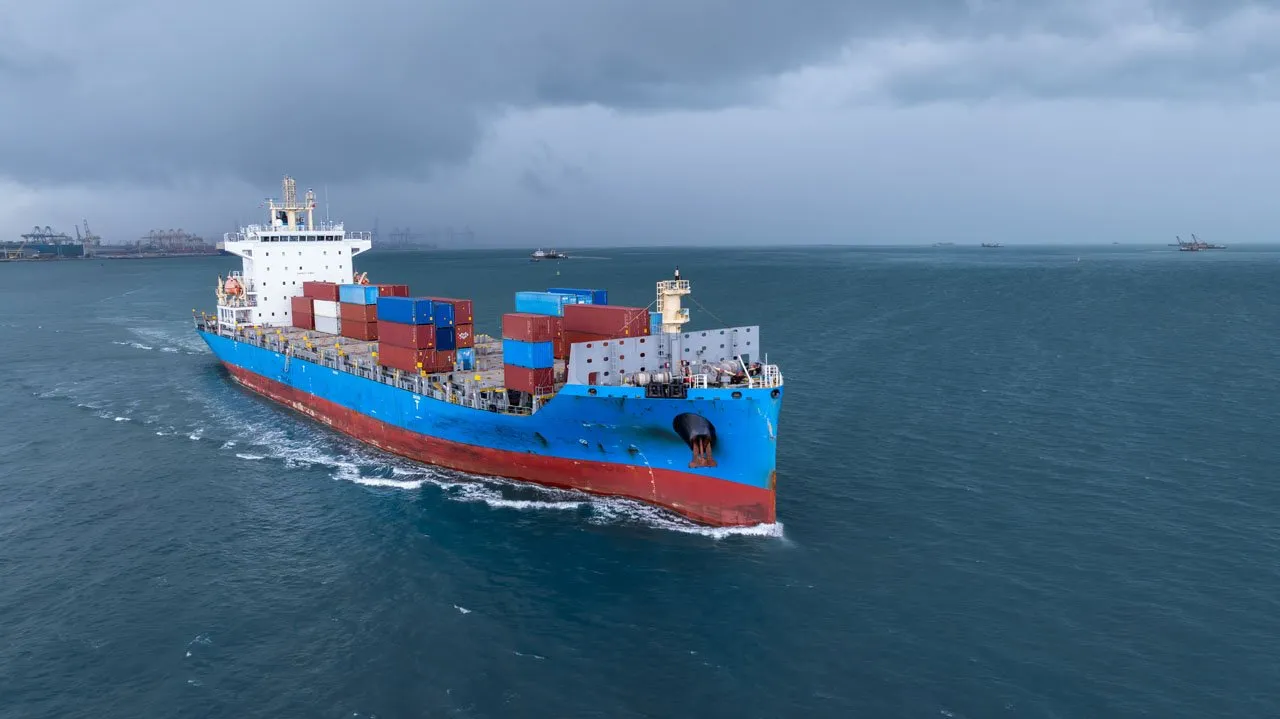
Accurate shipping documentation prevents border delays, reduces the risk of financial penalties, and ensures legal compliance in international trade. This guide explains the technical requirements for Bills of Lading, Commercial Invoices, and specialist permits for UK importers and exporters.
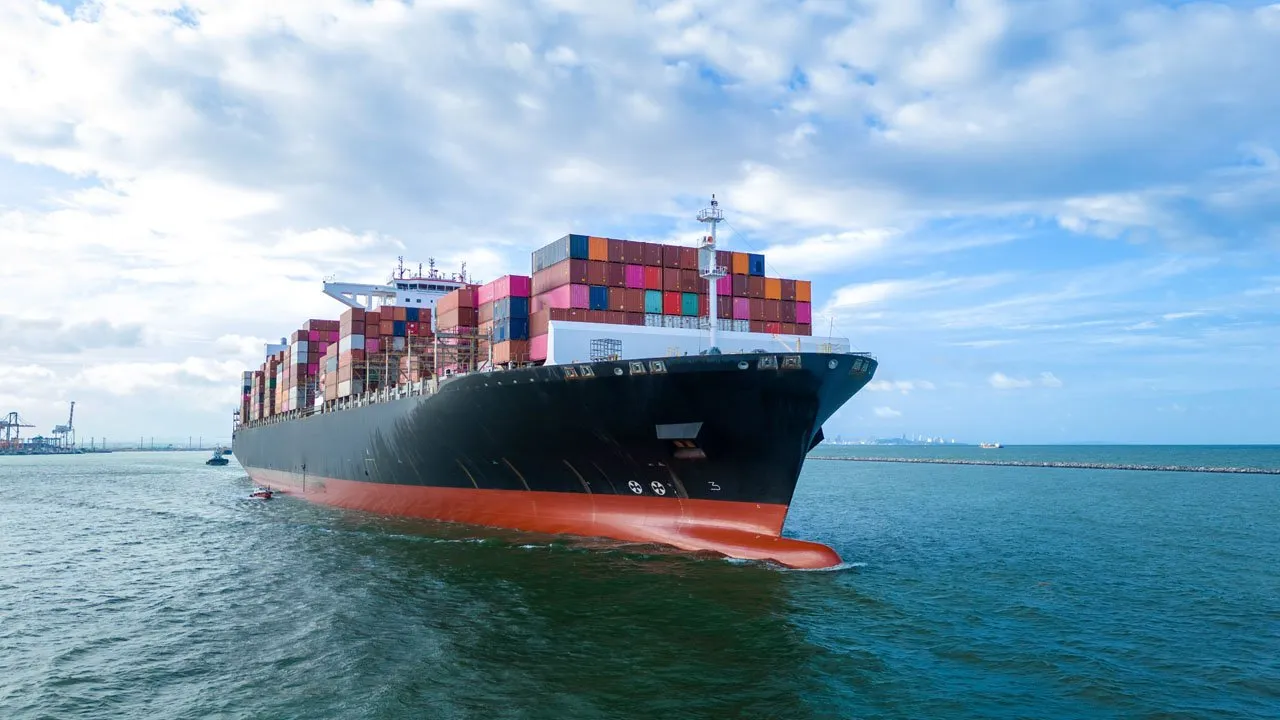
Shipping goods to the United States requires a deep understanding of the Federal Maritime Commission (FMC) and its impact on sea freight pricing. This guide explains how FMC-regulated trades function, the role of service contracts versus public tariffs, and the mandatory documentation required to clear US Customs without penalties.

A shipping booking confirmation is a binding agreement that secures your cargo space and equipment. This guide explains the technical milestones of the freight journey, from document preparation and volumetric calculations to customs clearance and risk management.

Shipping personal effects requires a clear understanding of the distinction between household goods and commercial cargo. This guide outlines the documentation, packing standards, and customs protocols necessary to move your possessions safely and legally across international borders.

International shipping rates fluctuate due to fuel costs, carrier capacity, and geopolitical shifts. This guide explains the primary drivers of price volatility and outlines how UK businesses can use fixed-rate contracts and surcharges to stabilise their logistics spend.

Shipping cancellation charges, often referred to as no-show fees, occur when cargo is not delivered to the port as booked. This guide explains how carriers calculate these penalties, the impact of timing, and how to mitigate costs through proactive supply chain management.

A two-way commitment in freight forwarding ensures that both the shipper and carrier allocate space and equipment accurately. This guide explains how binding agreements reduce "no-shows," stabilise freight rates, and improve supply chain reliability for UK businesses.

Transporting critical supplies requires more than standard logistics; it demands rigorous cold-chain integrity, GxP compliance for medicines, and rapid deployment of aid. This guide outlines the regulatory frameworks, cost drivers, and risk controls for shipping foodstuffs, pharmaceuticals, and humanitarian relief.

UK Freeports offer businesses significant customs duty deferrals, tax breaks, and streamlined regulatory processes. This guide explains how importers and manufacturers can use these special economic zones to reduce overheads and improve cash flow in global supply chains.
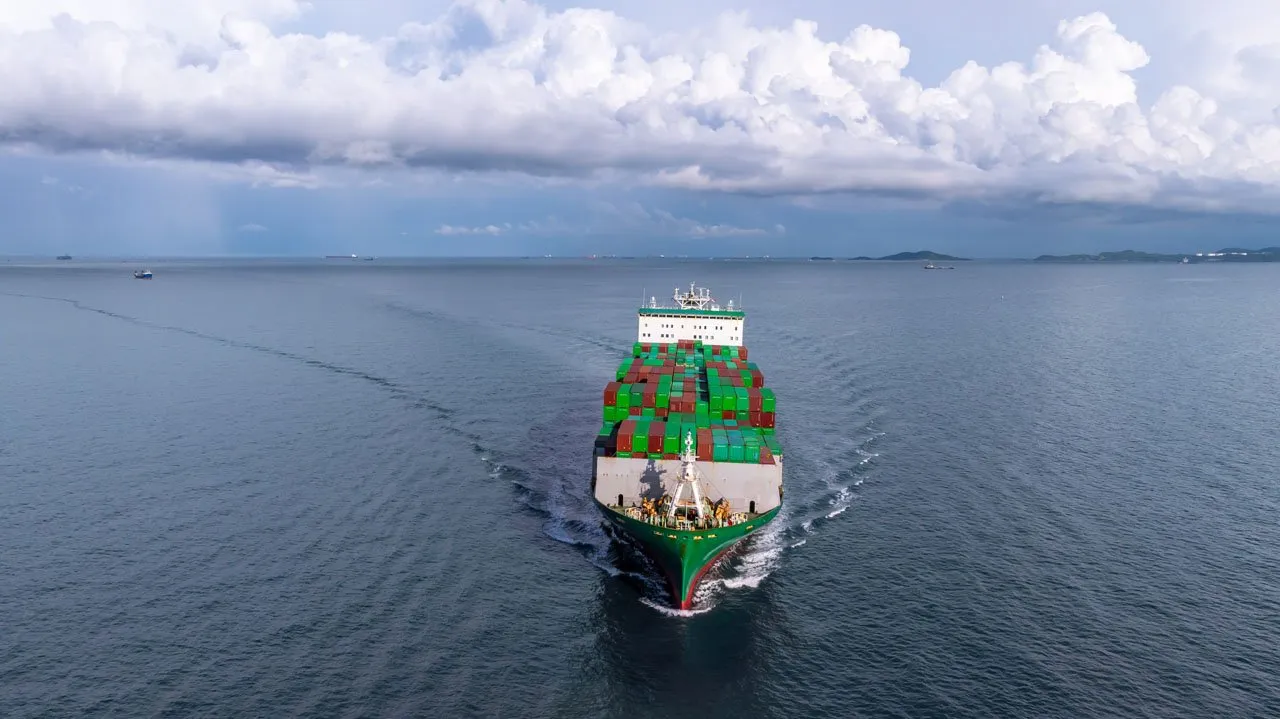
Master the financial and administrative requirements of international trade. This guide explains the differences between pro forma and commercial invoices, outlines secure global payment methods, and provides a step-by-step framework for managing cargo claims and successful freight release for UK businesses.
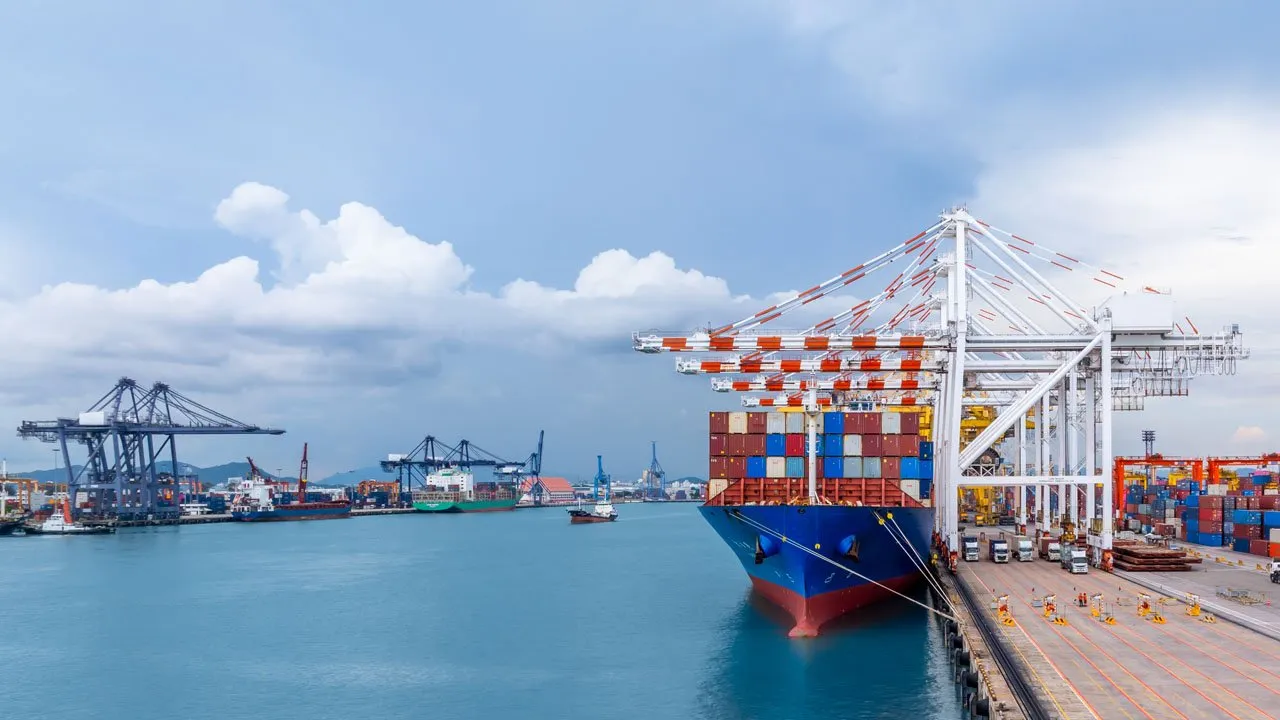
Understand the variables that define international shipping lead times for UK businesses. This guide explains the differences between air and sea freight transit periods, the impact of transhipment hubs, and how to account for customs clearance and "last mile" logistics in your supply chain planning.
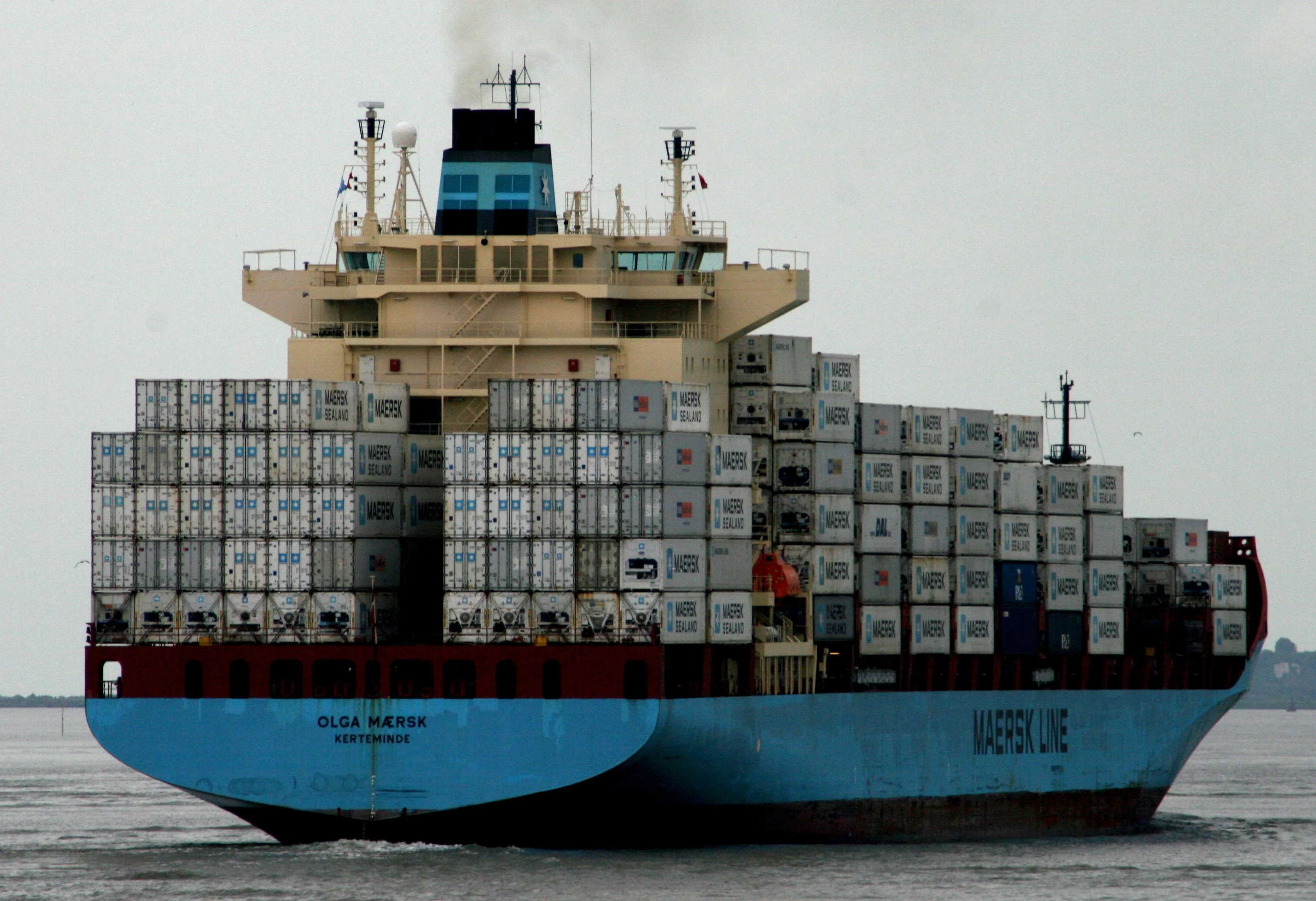
Master the essential components of Shipping Instructions and the Shipper’s Letter of Instruction (SLI). This guide explains how to provide accurate cargo descriptions, HS codes, and Incoterms to ensure seamless customs clearance and prevent costly freight delays for UK businesses.
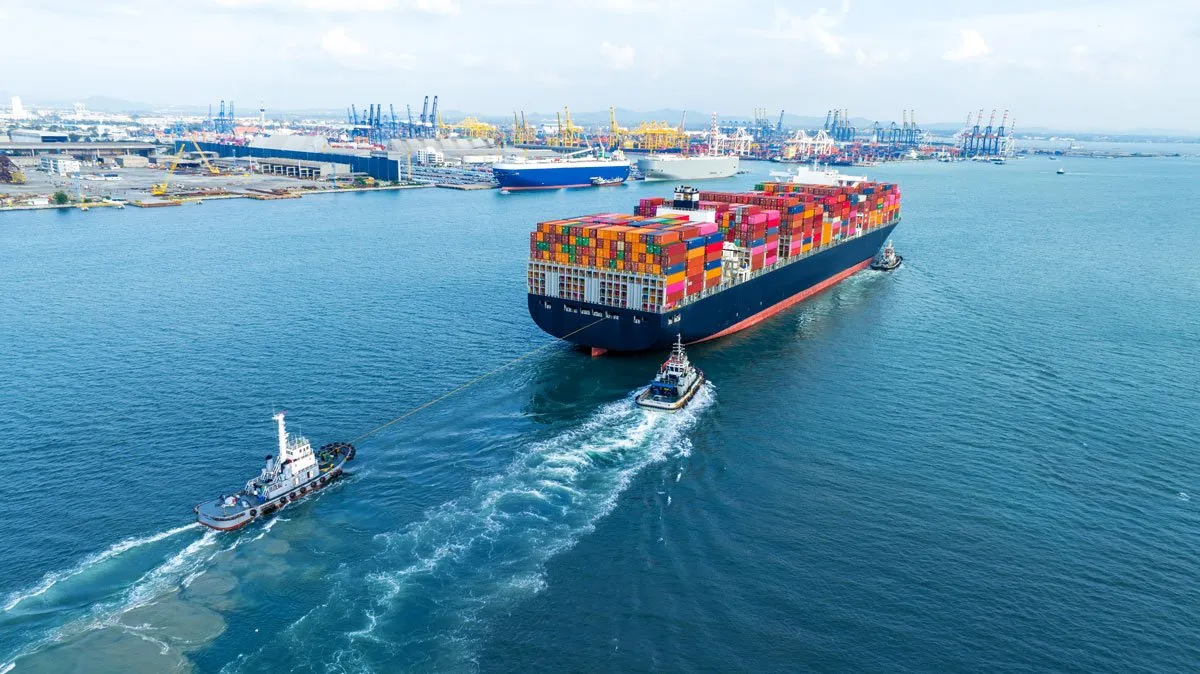
Explore the strategic advantages of Full Container Load (FCL) shipping for UK businesses. This guide details how FCL provides enhanced security, faster transit times, and better cost-efficiency for larger cargo volumes compared to shared container options.
