Energising Your Energy Logistics: Dependable Solutions for Oil and Gas
The High Stakes Reality of Energy Logistics
In the energy sector, logistics is the heartbeat of production. When a drilling rig stops because a part is missing, the cost of downtime is measured in hundreds of thousands of pounds per hour. Shipping International understands that there is no margin for error when moving equipment for oil and gas operations. Whether you are moving drill bits to the North Sea or refinery components to the Middle East, you need a partner who treats every minute as a critical asset. Our role is to remove the friction from your supply chain through technical precision and proactive risk management.
We provide a bridge between UK manufacturers and global energy hubs. We coordinate the move from the factory floor to the offshore platform, managing the customs clearance, terminal handling, and specialised transport needed for high-value energy assets.
Modes of Transport for the Energy Sector
The nature of oil and gas cargo dictates the mode of transport. Energy logistics often requires a mix of speed and heavy lifting capacity to meet project deadlines.
Sea Freight for Bulk and Heavy Equipment
For large-scale infrastructure, sea freight is the primary mode. We move tubular goods, casings, and structural steel using Full Container Load (FCL) services. For oversized items like blowout preventers or subsea trees, we use flat rack containers or breakbulk methods. These items are too large for a standard steel box and require specialised lashing to stay secure on the deck of a vessel. We also manage the chartering of vessels for project-specific moves where regular liner services do not fit the schedule or the route.
Air Freight for Time-Critical Parts
When a rig goes down, speed is the only priority. We utilise air freight for hotshot deliveries of valves, sensors, and engine parts. This includes Next Flight Out (NFO) services and on-board couriers for smaller, ultra-sensitive components. Air freight offers reduced physical handling and greater security, which is vital for the precision instruments used in modern exploration. We manage the transition from the airport to the final site using dedicated road transport to maintain the momentum of the move.
Road Freight and Specialised Haulage
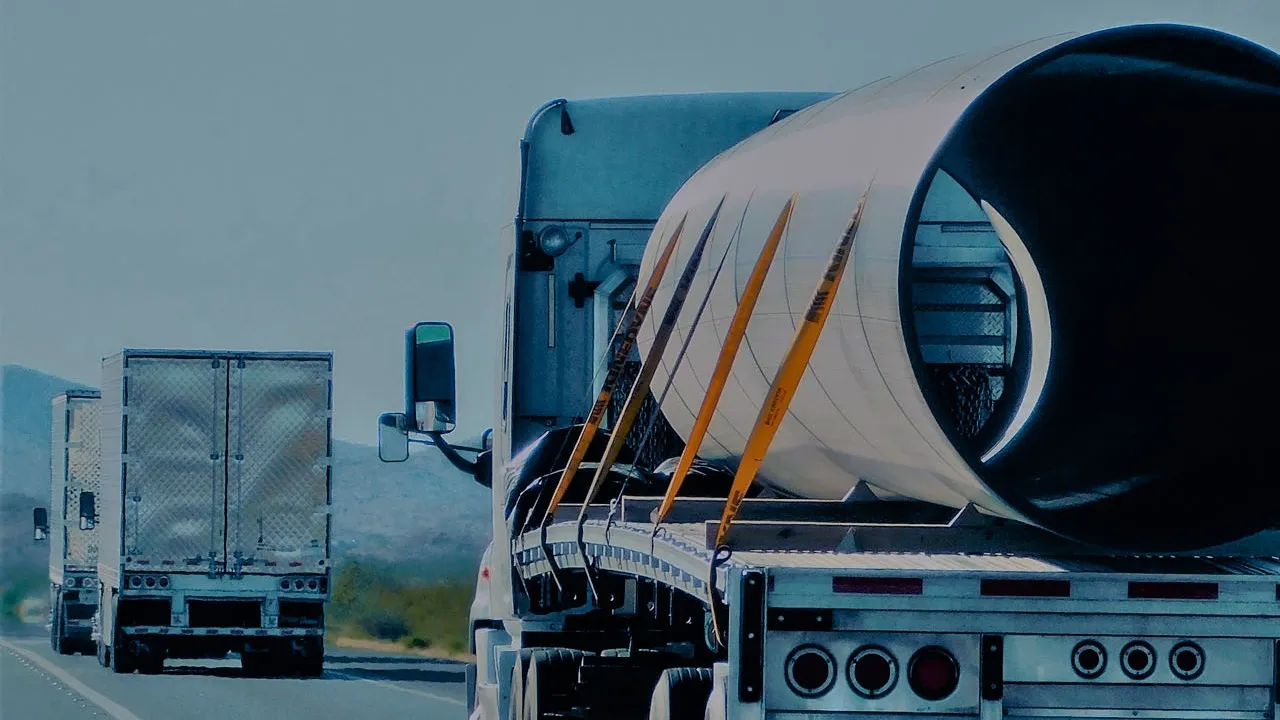
The journey often starts or ends on a truck. We provide road freight using low-loaders and multi-axle trailers designed for heavy loads. In the UK, moving wide or heavy equipment to ports such as Aberdeen or Southampton requires careful route planning and police notification. We handle these permits and surveys to ensure the cargo moves through the road network without being held at a bridge or a narrow junction. Our drivers are trained in the specific safety protocols required for entering refineries and energy terminals.
Project Logistics and Out-of-Gauge Cargo
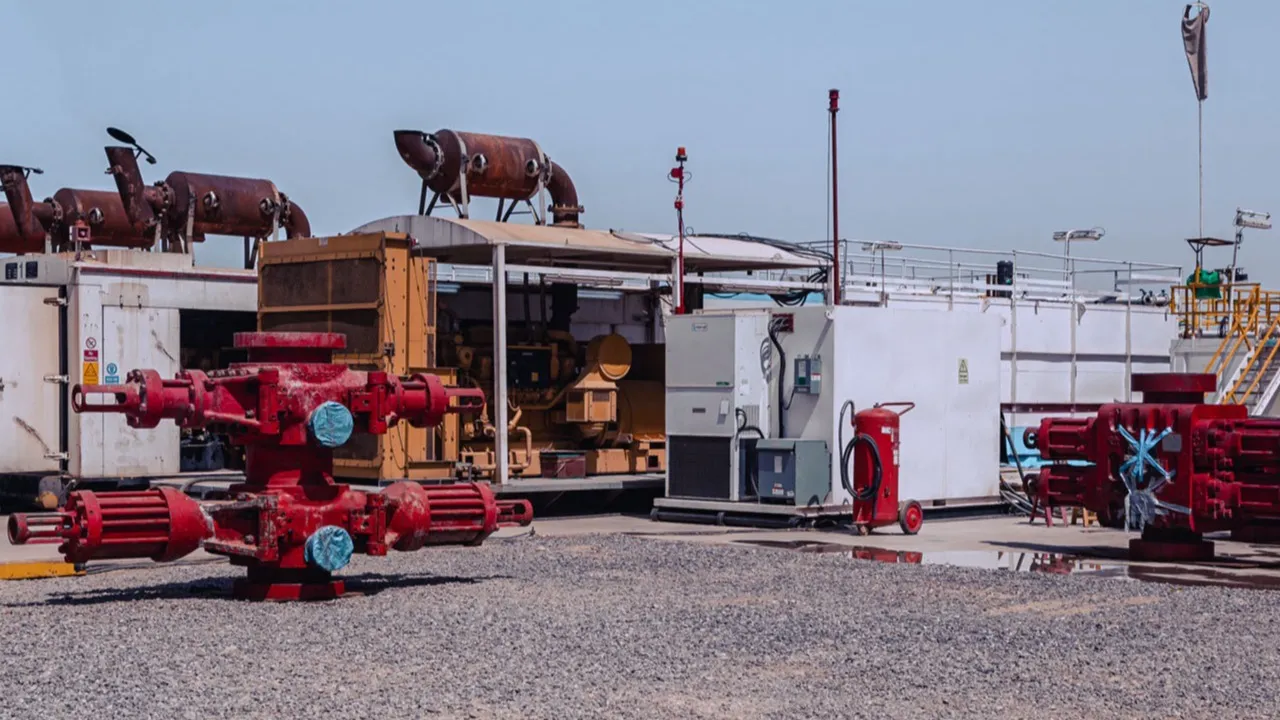
Many energy shipments are classified as Out of Gauge (OOG) because they exceed the standard dimensions of a shipping container. Managing OOG cargo is a core part of project logistics.
We start every project with a technical survey. This involves measuring the length, width, height, and weight of the cargo to identify the centre of gravity. Knowing the centre of gravity is essential for safe lifting and securing. We use timber dunnage and high-tensile steel chains to secure these loads. On-site, our team manages the rigging and heavy-lift operations, using mobile cranes and jacking systems to position the equipment precisely. This end-to-end management reduces the risk of damage and ensures the project stays on schedule.
Customs Compliance and Regulatory Oversight
The oil and gas industry operates in a heavily regulated environment. Moving goods across borders requires a deep knowledge of HMRC systems and international trade laws. Since the UK left the European Union, the rules for moving goods between the UK and Europe have changed significantly.
The Customs Declaration Service (CDS)
We use the Customs Declaration Service to file all import and export entries. This system requires precise data, including the correct Commodity Code. For energy equipment, using the correct code is vital to ensure you pay the correct duty and VAT rates. We help you identify these codes to avoid overpayment or audits. We also assist with the use of Postponed VAT Accounting, which helps your cash flow by allowing you to account for import VAT on your VAT return rather than paying it at the border.
Temporary Admission and Reliefs
Much of the equipment used in oil and gas exploration moves between countries on a temporary basis. To avoid paying permanent import duties, we use temporary admission procedures or ATA Carnets. This allows the equipment to enter a country for a set period and then return to the UK without a tax bill. We manage the discharge of these entries to ensure your business remains compliant and avoids unexpected fines from customs authorities.
Documentation Checklist for Energy Shippers
Documentation errors are the primary cause of delays in energy logistics. Every shipment must have a complete set of accurate data to satisfy border officers and port authorities.
- Commercial Invoice: This must show the serial numbers and engine numbers, and include a clear value for each item.
- Packing List: A detailed breakdown of the dimensions and weight of each crate or bundle.
- Safety Data Sheet (SDS): Mandatory for any chemicals, lubricants, or hazardous materials used in drilling.
- Bill of Lading: The title document for the goods and the contract of carriage.
- Export Health or Phytosanitary Certificates: Required if the shipment includes timber dunnage that has not been heat-treated.
Incoterms and Financial Responsibility
Incoterms define when the risk and cost of a shipment move from the seller to the buyer. In the oil and gas sector, the choice of Incoterm can have a massive impact on the project budget.
- FOB (Free On Board): The seller handles the move to the port and the loading. The buyer takes over once the equipment is on the vessel. This is common when the buyer wants to use their own global freight contracts.
- CIF (Cost, Insurance, and Freight): The seller arranges the move to the destination port and pays for the insurance. This is often preferred by procurement teams who want a single price for the goods delivered to their region.
- DDP (Delivered Duty Paid): The seller handles every step, including the payment of import duties and taxes at the destination. This is the simplest option for the buyer but requires the seller to have a clear understanding of local customs laws.
We help you evaluate which term provides the best balance of control and cost for your specific contract.
Risk Management and Safety Protocols
Safety is the primary focus in energy logistics. We operate under a strict Health, Safety, Security, Environment, and Quality (HSSEQ) framework. This ensures that every move is conducted responsibly and in compliance with the highest safety standards.
We prioritise the use of certified lifting tackle and ensuring that all drivers and operators have the correct training. For hazardous cargo, we follow the ADR (road) and IMDG (sea) regulations for packaging and labelling. This includes the use of correct placards on the exterior of containers and vehicles. We also provide comprehensive cargo insurance. Standard carrier liability is often too low to cover the value of refinery components or subsea equipment. Our insurance products provide All Risks coverage, protecting your balance sheet from the financial impact of accidents or maritime losses.
Cost Drivers and Budgeting
Energy logistics costs are influenced by more than just mileage. Several factors drive the final price of a move.
- Physical Dimensions: Freight rates for OOG cargo are based on the static footprint. Every centimetre of width can increase the price if it requires special escorts or takes up extra slots on a ship.
- Fuel Surcharges: Global oil prices impact the Bunker Adjustment Factor for sea freight, and fuel surcharges for road and air moves. We provide transparent quotes so you can see these costs clearly.
- Terminal Handling: The cost of using heavy-lift cranes at the port is a significant item. We manage these bookings to avoid extra fees for late arrivals or extended storage.
- Urgency: Hotshot air freight is expensive but often cheaper than leaving a rig idle. We provide cost-benefit analysis to help you choose the right speed for your needs.
Tracking and Communication
In a high-pressure environment, information is as valuable as the cargo. We provide real-time tracking for every shipment. Using advanced technology, we offer visibility into the location and status of your goods. This data allows your project teams to plan for the arrival of equipment and manage their onsite resources more effectively. We maintain a regular communication cadence, providing updates through a dedicated control tower. You will always know where your cargo is and when it will reach the site.
Frequently Asked Questions
What is a hotshot delivery in the oil and gas industry?
A hotshot delivery is an urgent, non-scheduled transport of a critical part or piece of equipment. We use dedicated small vans or the next available flight to move these items as quickly as possible. This service is designed to minimise the cost of downtime when a rig or plant stops working. You can learn more about our rapid response options on our air freight page.
How do you handle the customs clearance for offshore equipment?
We use specialised customs procedures like Outward Processing or Temporary Admission. This allows equipment to leave the UK for an offshore platform and then return without the need for full duty and VAT payments. Our customs clearance team manages the paperwork to ensure your goods move through the border without being held for inspection.
What are the main risks when shipping heavy refinery components?
The primary risks are physical damage from point loading and structural fatigue from poor securing. We mitigate these risks by using custom timber cradles and high-tensile lashing. We also conduct a route survey to ensure the road infrastructure can support the load's weight and dimensions. Professional insurance is also essential to protect the value of these high-cost assets.
Who is responsible for the duty and tax on energy imports?
This depends on the Incoterm used for the shipment. Under DDP terms, the seller pays the duty and tax. Under DAP or CIF terms, the buyer is usually responsible for these costs. We assist both parties by providing accurate duty calculations and identifying any available rebates for the energy sector.
Can you ship hazardous chemicals used in drilling?
Yes. We manage the transport of hazardous materials in compliance with ADR and IMDG standards. This requires specific packaging, correct labelling, and a Dangerous Goods Note. We ensure that all hazardous items are transported on ships or vehicles equipped to handle them safely. Visit our sea freight section for details on hazardous maritime moves.
How does IMO 2020 affect energy shipping costs?
The IMO 2020 regulation requires ships to use low-sulphur fuel, which is more expensive than standard bunker fuel. This cost is passed on to shippers through increased fuel surcharges. While this improves the industry’s environmental impact, it adds a financial layer to the shipping of oil and gas equipment. We provide transparent pricing to help you manage these fuel costs.