Sea Freight Services
Strategic Ocean Freight for Global Trade
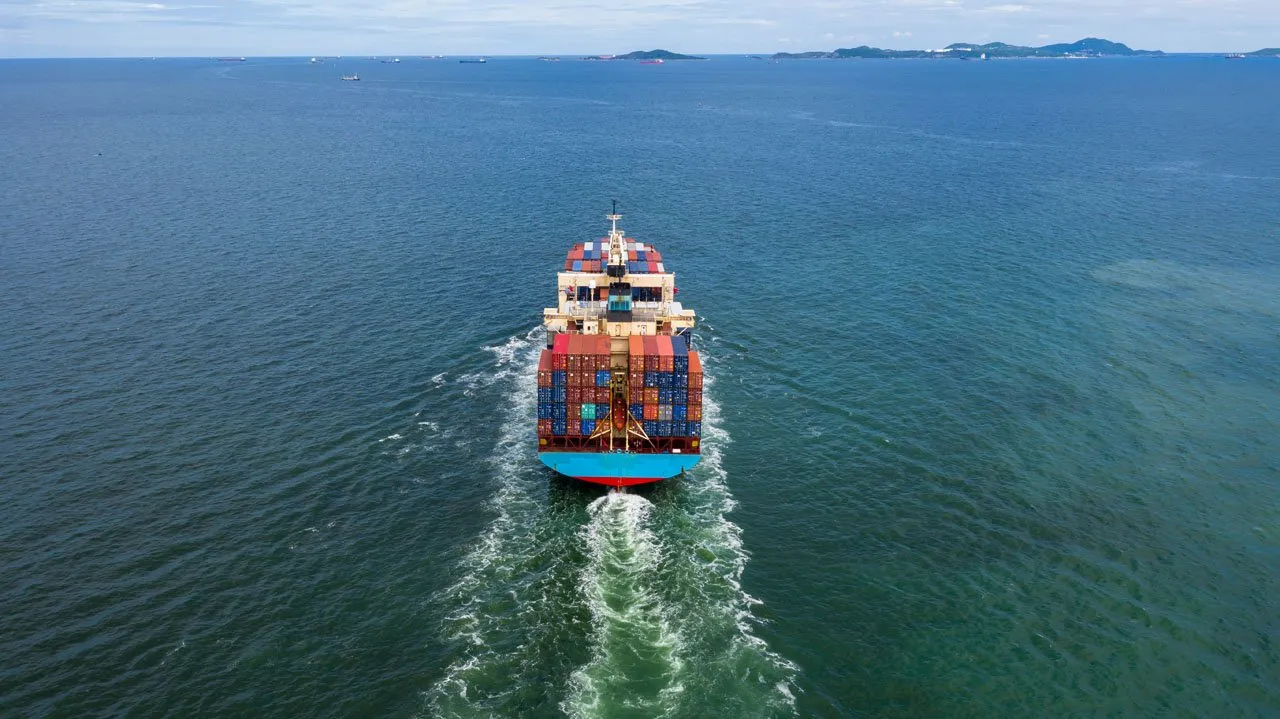
Sea freight acts as the primary engine of international commerce, carrying over eighty per cent of the world trade by volume. For UK manufacturers and procurement teams, selecting the right ocean freight strategy is the difference between a lean supply chain and one plagued by hidden costs and port delays. Shipping International manages the entire maritime lifecycle, from the initial container booking to final mile delivery at the destination warehouse.
Our role involves coordinating with global carriers, managing terminal handling at major UK ports, and ensuring every shipment complies with the complex regulatory framework of the International Maritime Organisation. We provide the technical oversight needed to navigate the challenges of the modern shipping market, including equipment shortages, blank sailings, and shifting fuel surcharges.
Full Container Load versus Less than Container Load
The choice between Full Container Load and Less than Container Load depends on your cargo volume, budget, and the sensitivity of the goods. Understanding the unit economics of these modes helps procurement teams optimise their spend.
Full Container Load (FCL)
FCL is the standard choice for shippers with enough cargo to fill a twenty-foot or forty-foot container. In this mode, you pay a flat rate for the use of the entire box. This offers several advantages. Because the container is sealed at your facility and remains closed until it reaches the buyer, the risk of theft and physical damage is significantly lower. FCL is also faster than shared services because it bypasses the time-consuming consolidation and de-consolidation steps at the port. We provide the empty container to your site and manage the road haulage to the terminal.
Less than Container Load (LCL)
For smaller shipments that do not justify the cost of a full container, LCL offers a flexible alternative. We consolidate your cargo with other shippers' goods into a single shared container. You pay only for the space you occupy, usually calculated by the cubic metre or by weight. While LCL is cost-effective for low volumes, it requires more handling. Goods move through a consolidation warehouse where they are palletised and loaded. Upon arrival, the container moves to a de-consolidation point for sorting. We ensure that your LCL cargo is handled with care and that incompatible goods, such as food items and industrial chemicals, are never co-loaded.
Specialised Cargo: Breakbulk and Out of Gauge
Not all cargo fits into the rigid dimensions of a steel box. When moving heavy machinery, industrial components, or raw materials, we utilise specialised ocean freight methods.
Breakbulk Shipping
Breakbulk involves loading cargo directly into the hold or onto the deck of a multipurpose vessel. This method is essential for oversized items like wind turbine blades, transformers, and large storage tanks. Our stevedores use heavy lift cranes and specialised tackle to secure these items. We provide technical lashing plans to ensure the cargo remains immobile during the voyage. Breakbulk requires detailed coordination between the vessel owner and the port authorities to ensure the berth has the necessary depth and crane capacity.
Out of Gauge (OOG) and Flat Racks
OOG cargo refers to goods that are slightly too wide or too high for a standard container but can still be carried on a container ship. We use flat rack containers for these shipments. A flat rack is a container base without side walls or a roof. It allows for top or side-loading of bulky machinery. Because OOG cargo occupies more than one slot on a vessel, shipping lines apply surcharges for the lost space. We negotiate these rates on your behalf and manage the specialised road permits required to move OOG items to the port.
Reefer Logistics and Temperature Control
Maintaining the integrity of temperature-sensitive goods requires an unbroken cold chain. Our sea freight reefer services provide precise climate control for pharmaceuticals, fresh produce, and chemicals. A reefer container is a portable refrigerator that requires a constant power supply from the vessel or a portable generator called a genset during land transit.
We monitor the set points of every reefer unit to ensure it stays within the required range, whether it is chilled at 4 degrees or deep-frozen at -30 degrees. Advanced reefer units also offer controlled-atmosphere technology, which adjusts oxygen and carbon dioxide levels to slow the ripening of fruits and vegetables. This technology allows for longer transit times while preserving the product's shelf life.
The Economics of Sea Freight: Understanding Surcharges
The base freight rate is only one part of the total cost. Shippers must account for several surcharges that fluctuate based on global market conditions and regulatory changes.
IMO 2020 and the Cost of Clean Fuel
The IMO 2020 regulation significantly reduced the allowable sulphur content in marine fuel from 3.5 per cent to 0.5 per cent. This change aimed to reduce air pollution and improve the environmental performance of the shipping industry. To comply, vessels must use Very Low Sulphur Fuel Oil or Liquefied Natural Gas. Some ships use scrubbers to clean the exhaust from cheaper high-sulphur fuel. These technical changes have increased carriers' operating expenses. These costs are passed to shippers through the Bunker Adjustment Factor. We provide transparent breakdowns of these fuel surcharges so you can accurately audit your freight invoices.
Canal and Peak Season Surcharges
Vessels passing through the Suez or Panama canals pay significant transit fees. When these canals face congestion or water level issues, carriers may apply canal surcharges to cover the cost of rerouting or reduced vessel payloads. Similarly, during peak demand periods, such as the months leading up to the retail peak, shipping lines apply a Peak Season Surcharge. We monitor these trends and advise our clients on the best times to ship to avoid these premium costs.
Incoterms: Defining Cost and Risk Transfer
Incoterms are the rules that define when the responsibility for the goods shifts from the seller to the buyer. Selecting the right term is a vital part of risk management in sea freight.
- FOB (Free On Board): The seller is responsible for the goods and costs until they are loaded onto the vessel at the port of origin. The buyer pays for the ocean freight, insurance, and destination costs. This is a common choice for UK importers who want control over their logistics providers.
- CIF (Cost, Insurance, and Freight): The seller arranges and pays for the freight and insurance to the destination port. The buyer takes over once the goods arrive. While this is simple for the buyer, it can sometimes lead to higher overall costs and less visibility.
- DAP (Delivered At Place): The seller manages the entire journey to the final destination address, except for the payment of import duties and taxes. This provides a door-to-door service for the buyer.
We help you evaluate which Incoterm provides the best balance of control and cost for your specific business model.
Mandatory Documentation and VGM Requirements
International shipping relies on a strict set of documents to satisfy customs and maritime safety laws. Missing or inaccurate paperwork leads to port storage charges and shipping delays.
The Bill of Lading
The Bill of Lading is the most important document in sea freight. It acts as a contract of carriage, a receipt for the goods, and a document of title. It details the shipper, the consignee, and the cargo specifics. A Bill of Lading can be negotiable, allowing the goods to be traded while they are still at sea.
Verified Gross Mass (VGM)
Since 2016, providing a Verified Gross Mass has been a legal requirement under the Safety of Life at Sea convention. An inaccurate weight declaration can destabilise a ship and lead to accidents. Shippers must use one of two approved methods to calculate the VGM. Method one involves weighing the entire packed container. Method two involves weighing each item and adding the container's tare weight. We manage this verification process to ensure your containers are never rejected at the terminal gate.
Customs Clearance and Port of Entry
When goods arrive in the UK, they must be cleared through HMRC using the Customs Declaration Service. Our customs clearance specialists manage this process to ensure your goods are released quickly. We identify the correct commodity codes to ensure you pay the correct duty and VAT. We also help businesses use postponed VAT accounting to improve their cash flow. By clearing goods at the port of entry, we minimise the need for expensive inland bonded storage.
Tracking and Technology: API vs EDI
Visibility is essential for modern supply chain management. We provide real-time tracking for every sea freight shipment. The industry is currently transitioning from old Electronic Data Interchange systems to modern Application Programming Interfaces. APIs offer faster, more reliable access to data. This allows our clients to see exactly where their container is on the water and receive immediate updates on its estimated time of arrival. This data helps manufacturers plan their production schedules with greater accuracy and reduces the need for buffer stock.
Frequently Asked Questions
How long does sea freight typically take from Asia to the UK?
Transit times from major Asian ports to UK hubs like Felixstowe or Southampton generally range from 30 to 45 days. Factors such as vessel speed, the number of port calls, and weather conditions impact the final delivery date. We provide real-time updates through our tracking portal so you can monitor your shipment throughout the journey. For faster requirements, consider our air freight services.
What is the difference between a twenty-foot and a forty-foot container?
A twenty-foot container (TEU) is the standard unit of measure in shipping. It is ideal for heavy cargo like steel or stone. A forty-foot container (FEU) offers double the volume and is better for lighter, high-volume goods like electronics or clothing. We help you choose the right container size to maximise your payload and reduce the cost per unit.
Why do sea freight rates fluctuate so frequently?
Rates are driven by the balance of supply and demand. Fuel prices, seasonal peaks, and geopolitical events all impact the cost of shipping. Shipping lines also adjust rates through General Rate Increases to maintain profitability. We provide fixed-price quotes where possible and alert you to market shifts to help you plan your logistics budget.
Can I ship hazardous materials via sea freight?
Yes, we handle the transport of dangerous goods in accordance with the International Maritime Dangerous Goods Code. This requires specific packaging, labelling, and documentation, including a Dangerous Goods Note. We ensure all hazardous shipments are correctly stowed on the vessel to maintain safety and compliance. Visit our road freight page for inland hazardous moves.
What are terminal handling charges?
Terminal handling charges are the fees paid to the port operator for moving a container from the ship to the stack, or from the stack to a truck. These charges vary by port and are influenced by local labour costs and terminal infrastructure. We include these fees in our transparent quotations to avoid hidden costs upon arrival.
What happens if my cargo is damaged during the voyage?
In the event of damage, you must notify the carrier immediately and record the damage on the delivery receipt. We offer comprehensive cargo insurance to protect your investment. Standard maritime liability is limited and often does not cover the full replacement value of the goods. Professional insurance provides the security needed for high-value shipments.