Guide to Jet Engine Shipping
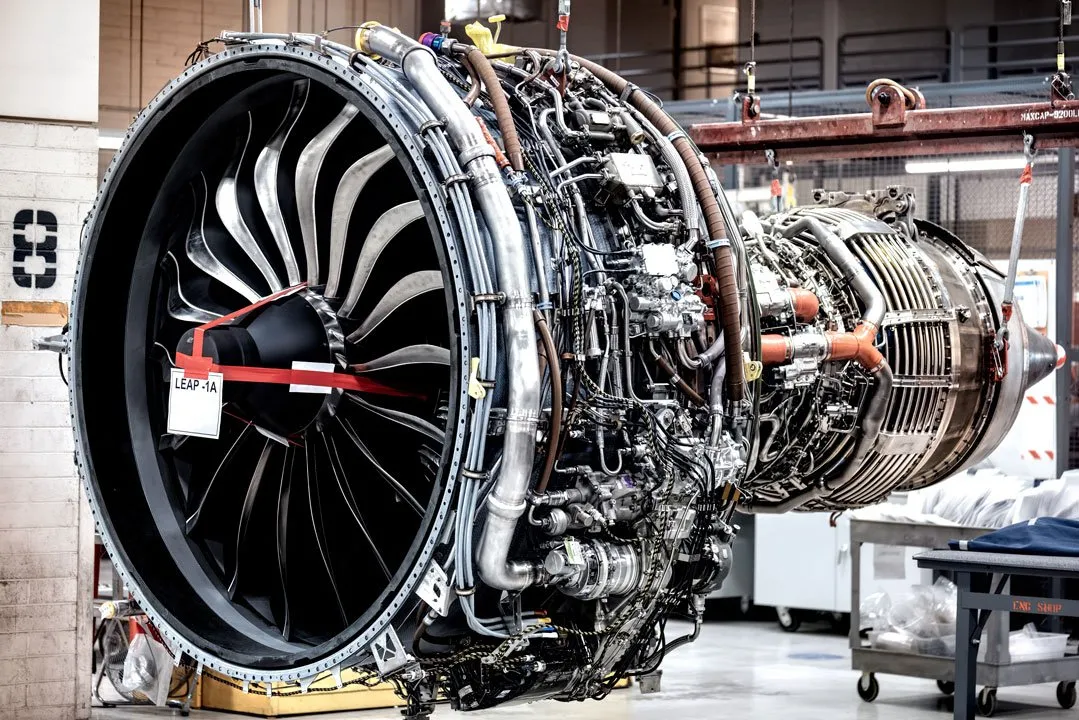
Transporting a multi-million-pound jet engine across continents is one of the most complex and high-stakes challenges in global logistics. It's a world away from standard freight. The sheer value, technical sensitivity, and immense size of these assets demand a level of precision, expertise, and planning that few can deliver. A single misstep can lead to catastrophic financial losses, crippling operational delays for an airline, and significant safety risks. For time-critical situations, such as an Aircraft on Ground (AOG) event, the pressure is immense, and there is absolutely no room for error. Successfully navigating this process requires a partner with proven experience in project cargo and a deep understanding of the aerospace sector. Shipping International provides that specialist capability, transforming a logistical nightmare into a seamless, secure, and transparent operation.
Why Jet Engine Logistics Demands Specialist Expertise
Shipping a jet engine isn’t just about moving a large object; it's about safeguarding a masterpiece of engineering. The challenges are unique and formidable. These are high-value, Out-of-Gauge (OOG) items, meaning they don't fit into standard shipping containers. They are exquisitely sensitive to shock, vibration, and atmospheric changes, and are governed by a complex web of international regulations, including those governing dual-use goods. The consequences of getting it wrong are severe. An airline can lose hundreds of thousands of pounds for every day an aircraft is grounded. Damage in transit can lead to repair costs that spiral into the millions, not to mention the reputational damage from a failed delivery. This is precisely why partnering with a seasoned freight forwarder is not a luxury; it's a necessity. At Shipping International, we don’t just ship your asset; we take complete ownership of its journey, mitigating every conceivable risk through our specialised aerospace and defence logistics solutions.
The Critical Pre-Shipment Phase: Planning for Perfection
The success of a jet engine shipment is determined long before the engine leaves the hangar. The pre-shipment phase is an exercise in meticulous detail, where every variable is accounted for. It's about building a robust plan that pre-empts challenges and ensures a flawless execution. Our approach at Shipping International is founded on the principle of proactive, comprehensive planning.
Engine Assessment and Data Collation
The first step is a comprehensive technical assessment. We work with you to collate all critical data, ensuring nothing is left to chance. This includes:
- Precise Specifications: Documenting the exact dimensions (length, width, height), gross weight, and, most importantly, the centre of gravity. This data is the bedrock of all subsequent load, lift, and securing plans.
- OEM Handling Guidelines: Every engine model has specific handling, lifting, and tie-down points dictated by the Original Equipment Manufacturer (OEM). We strictly adhere to these manuals to maintain the engine’s integrity and ensure warranty compliance.
- Condition Reporting: A detailed photographic and written report is created prior to dispatch to document the engine's condition, providing a clear baseline for post-delivery inspection.
Route and Infrastructure Analysis
A jet engine's journey isn't just from port to port; it's from its current location to its final installation site. Shipping International conducts a thorough survey of the entire route. This involves more than a simple map query; we assess every potential bottleneck. We analyse road widths, bridge-load capacities, and overhead clearances for inland transport. We verify that the departure and arrival ports have the necessary heavy-lift crane capacity, suitable storage facilities, and experienced ground staff to handle such a sensitive asset. This granular analysis enables us to plan a viable and secure route, preventing costly surprises.
Bespoke Crating and Protection
Standard packaging simply won't do. A jet engine requires a bespoke cradle and crating solution engineered to provide total protection. Our solutions go far beyond a simple wooden box. We design and construct custom crates that feature:
- ISPM 15 Certified Materials: We utilise heat-treated, marine-grade timber and reinforced steel frames to comply with international phytosanitary regulations and ensure maximum structural integrity.
- Advanced Shock Absorption: The engine is mounted on a specially designed cradle with advanced shock-dampening systems to isolate it from vibrations and impacts during transit.
- Environmental Control: To mitigate the risk of corrosion, especially during sea freight, we utilise hermetic sealing (vacuum packing) with industrial-grade desiccants to maintain a low-humidity environment within the crate.
- Integrated Monitoring: We equip crates with a suite of smart sensors, including GPS trackers for real-time location, as well as tilt, shock, humidity, and temperature loggers. This gives our clients and us complete visibility and peace of mind.
Navigating Global Transport: Choosing the Right Method
The choice of transport method is dictated by urgency, budget, and the engine's specifications. Shipping International orchestrates the optimal transport plan, leveraging our global network to secure the right carrier for the job.
Air Freight: The Priority for AOG Situations
When an aircraft is grounded, speed is everything. In these AOG emergencies, air freight is the only viable option. This often involves chartering specialised freighter aircraft, such as a Boeing 747F or the colossal Antonov An-124, which are capable of accommodating an entire engine. Shipping International manages the entire charter process, from sourcing the right aircraft and handling permits to coordinating ground handling and ensuring the fastest possible transit time. It's a high-pressure, complex operation that we execute with military precision.
Sea Freight: A Cost-Effective and Secure Solution
For planned engine swaps, routine maintenance rotations, or end-of-life returns, sea freight offers a secure and highly cost-effective alternative. We utilise various methods depending on the need:
- Roll-on/Roll-off (RoRo): The engine, secured on a specialised Mafi trailer, can be rolled directly onto and off the vessel, minimising the need for crane lifts and reducing handling risks.
- Break Bulk / Lift-on/Lift-off (LoLo): For routes where RoRo is unavailable, we manage the lift-on, lift-off process using heavy-lift vessels, ensuring the engine is securely stowed and lashed below deck, protected from the elements.
Multimodal Transport: A Seamless Door-to-Door Journey
Rarely does a shipment involve just one mode of transport. The real value of an expert logistics partner lies in creating a seamless multimodal chain. Shipping International integrates specialised road freight for the first and last miles with the primary air or sea leg. This end-to-end management provides you with a single point of contact, unified tracking, and complete accountability from collection to final delivery.
Mastering Customs and Compliance: The Paperwork Trail
Moving a high-value, technologically advanced asset, such as a jet engine, across borders triggers intense scrutiny from customs authorities. Flawless documentation is non-negotiable. A simple error can lead to lengthy delays, hefty fines, and even seizure of the goods. Our in-house customs clearance team at Shipping International is an expert in this domain, ensuring your shipment clears customs without a hitch.
Essential Documentation and Dual-Use Controls
We meticulously prepare and manage all required paperwork. This includes the standard commercial invoice, packing list, and bill of lading, but also extends to more specialised documents. Crucially, jet engines are often classified as 'dual-use' goods, meaning they have both civilian and potential military applications. This subjects them to stringent export control regulations. We manage the entire process of securing the necessary export licences and ensuring full compliance, protecting you from serious legal and financial repercussions.
Understanding Incoterms
The choice of Incoterms (International Commercial Terms) is critical as it defines who is responsible for the shipment, and at which point costs and risks are transferred from seller to buyer. Whether it's Ex Works (EXW) or Delivered at Place (DAP), we provide clear guidance to help you choose the term that best suits your commercial agreement, ensuring there's no ambiguity about responsibilities.
Execution: The Art of Loading, Securing, and Monitoring
The physical handling of the engine is where planning meets practice. This phase is executed with surgical precision by experienced professionals under the strict supervision of a Shipping International project manager.
Precision Loading Operations
Every lift is a carefully choreographed event. We use calibrated heavy-lift cranes and specialised spreader beams to evenly distribute the load across the engine's designated lifting points. A qualified banksman directs the entire operation, ensuring clear communication and safe movement at all times. Pre-lift safety briefings are mandatory to ensure every member of the team understands their role and the specific requirements of the task.
Uncompromising Securing Standards
Once loaded, securing the engine against the forces it will encounter at sea or in the air is paramount. We adhere to the rigorous standards of the IMO's Code of Safe Practice for Cargo Stowage and Securing (CSS Code). This involves using certified, high-tensile lashing chains, turnbuckles, and webbing to create a securing system that prevents any movement in all three dimensions: longitudinal, transverse, and vertical. This is a highly skilled process that ensures the engine arrives in the exact same condition it departed.
The Final Mile: Unloading, Inspection, and Handover
Arrival at the destination is managed with the same diligence as departure. The unloading process mirrors the precision of the loading operation, using approved equipment and personnel. Before the final handover, a joint post-delivery inspection is conducted. We meticulously check the engine against the pre-shipment condition report and download the data from the crate's sensors. This data provides an unalterable record of the transit conditions, confirming that the engine was not exposed to excessive shock, tilt, or adverse humidity. Only after this verification is the engine formally handed over to the receiving MRO facility or engineering team.
Frequently Asked Questions
What makes shipping a jet engine so different from general cargo?
Jet engine shipping is a specialist field due to the cargo's extremely high value, sensitivity to shock and vibration, oversized dimensions (OOG), and the complex web of regulations it's subject to, including dual-use goods controls. Unlike general cargo, it demands bespoke crating, specialised handling equipment, and expert project management from a provider like Shipping International.
How do you handle an urgent AOG (Aircraft on Ground) shipment?
For AOG situations, speed is the absolute priority. Our process involves immediate mobilisation, chartering a suitable freighter aircraft, expediting all documentation and customs clearance, and coordinating round-the-clock ground handling to ensure the engine is delivered as quickly as possible, minimising costly downtime for the airline.
What is ISPM 15 and why is it important for the engine crate?
ISPM 15 is an international standard for treating wood packaging material to prevent the spread of pests and diseases. All timber used in our custom crates is heat-treated and stamped to comply with ISPM 15, ensuring it will not be quarantined or rejected by customs authorities in any country, preventing critical delays.
Can you manage the entire process, including customs and final delivery?
Absolutely. Shipping International offers a complete, end-to-end, door-to-door solution. We manage everything from initial planning and custom crating to air or sea transport, customs brokerage, and final inland delivery to the specified MRO or installation facility. You have a single point of contact and accountability for the entire project.
What kind of insurance do I need for a multi-million-pound jet engine?
For an asset of this value, standard liability is insufficient. We strongly recommend and can help arrange comprehensive 'All Risks' cargo insurance. This provides the broadest possible coverage against physical loss or damage from any external cause during transit, giving you complete financial protection and peace of mind.
How do you ensure the engine isn't damaged by moisture during sea freight?
We combat moisture and corrosion risk through a multi-layered approach. The engine is often placed in a sealed, vacuum-packed moisture-barrier bag with a calculated amount of desiccant to absorb any humidity. The crate itself is designed to be weather-resistant, and we install humidity sensors to monitor the internal environment throughout the voyage.
What are dual-use goods regulations, and how do they affect my shipment?
Dual-use goods are items that have both commercial and potential military applications. Jet engines fall into this category. This means their export is strictly controlled and requires a special licence from the relevant government authority (e.g., the UK's Export Control Joint Unit). We manage the complex application process to ensure your shipment is fully compliant, avoiding legal penalties and delays.