Technical Logistics for Industrial Boiler Systems
Mode Selection and Project Logistics
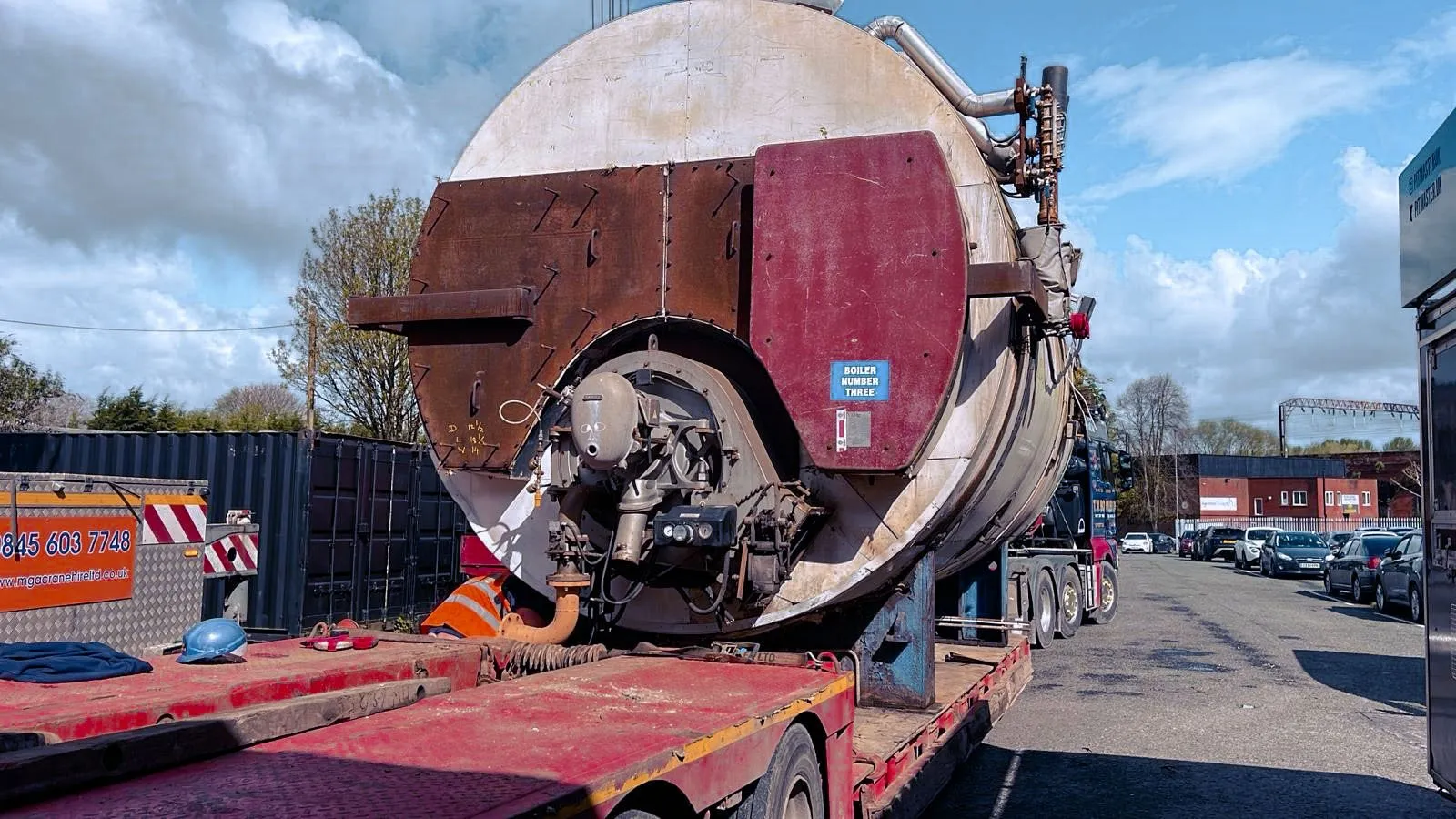
Shipping industrial boilers requires a precise multi-modal strategy. Most large-scale units are classified as Out of Gauge (OOG), meaning they exceed the dimensions of a standard 40ft shipping container. For international transit, sea freight is the primary mode. Logistics planners must choose between FCL (Full Container Load), where the shipper has exclusive use of a container, and Breakbulk solutions. Breakbulk involves handling the boiler as an individual unit loaded directly onto the vessel deck. When moving assets through Germany or China, coordination with road freight specialists is vital to manage the inland leg via low-loader trailers.
Incoterms 2020 and Legal Liability
Establishing a clear point of risk transfer is vital for high-value energy assets. All international shipments should be governed by Incoterms 2020, the global standards published by the International Chamber of Commerce. Whether shipping under DAP (Delivered at Place) or CIF (Cost, Insurance, and Freight), both parties must understand their financial obligations regarding carriage, insurance, and unloading. We operate under BIFA Standard Trading Conditions to ensure professional accountability at every stage of the journey.
Documentation and Customs Compliance
Navigating customs clearance requires meticulous documentation to prevent expensive customs holds. Essential paperwork includes the COO (Certificate of Origin), commercial invoices, and a detailed packing list. If the boiler contains internal electronics or hazardous residual chemicals, an MSDS (Material Safety Data Sheet) is mandatory to satisfy maritime safety codes. You can verify current UK export requirements and tariff classifications on the official Gov.uk portal. Our customs team manages these filings to leverage available duty exemptions for industrial projects.
Risk Controls: VGM and Insurance
Technical safety standards govern every heavy-lift move. Under the SOLAS (Safety of Life at Sea) convention, every shipment requires a VGM (Verified Gross Mass) declaration to ensure vessel stability. This weight must be verified using calibrated equipment before loading. Given that carrier liability is limited, securing comprehensive marine insurance is a standard requirement for industrial assets. This covers structural damage, electrical failure, and losses due to maritime accidents or general average events. For time-critical replacements, air freight provides a rapid alternative, though costs are calculated based on volumetric weight.
Financial Cost Drivers
Logistics budgets must account for variable market surcharges that impact the final freight rate. Key financial factors include:
- BAF (Bunker Adjustment Factor): A floating fuel surcharge that accounts for fluctuations in marine oil prices.
- Demurrage and Detention: Costs incurred when cargo remains at the port or with the client beyond the agreed free time.
- Terminal Handling Charges: Fees levied by port authorities for the movement and storage of OOG cargo.
What is the difference between FCL and Breakbulk for boilers?
FCL involves placing the unit inside a standard box, providing better protection from the elements. Breakbulk is used for units that are too large for any container type, necessitating individual handling by heavy-lift cranes.
Why is an MSDS required for an industrial boiler?
Boilers often contain hazardous components, such as insulation materials, lubricants, or integrated electronic systems. An MSDS identifies these risks, ensuring the carrier follows correct stowage and segregation protocols.
Does Shipping International handle road permits for OOG cargo?
Yes. We coordinate with local authorities to secure all necessary permits for abnormal loads and police escorts. We conduct route surveys to identify bridges or narrow roads that could obstruct delivery.
How is the VGM calculated for heavy boilers?
VGM is determined by weighing the packed container on a calibrated scale or by weighing all individual components and packaging, then adding the tare weight of the container.