Sea Freight to the Philippines: The Authoritative Technical Guide
Exporting from the UK to the Philippines requires a technical understanding of a maritime landscape that spans 7,641 islands. While the market offers significant growth, the Bureau of Customs (BOC) and the Philippine Economic Zone Authority (PEZA) enforce rigorous compliance standards. Shipping International serves as your technical consultant, navigating these regulations to move cargo from Felixstowe, Southampton, or London Gateway with precision. All UK exports must comply with government export controls, a process we manage alongside your freight booking.
Mode Selection: Optimising for Volume and Speed
Choosing the correct shipping mode is the first step in cost control. We provide two primary containerised options based on your cargo volume and security requirements.
Full Container Load (FCL)
FCL involves the exclusive use of a 20ft, 40ft, or 45ft container. In this mode, the container is loaded and sealed at your UK facility and remains unopened until it reaches the consignee in the Philippines. This reduces handling risk and is the fastest sea freight option because it bypasses consolidation warehouses. FCL is recommended for shipments exceeding 15 cubic metres or for high-value industrial machinery that requires stable stowage. We utilise standard steel containers, High Cubes for extra height, and Open Tops for oversized items. Our sea freight services ensure you secure the correct equipment for your specific commodity.
Less than Container Load (LCL)
LCL is the standard for smaller shipments that do not justify the cost of a full container. Your goods share space with other exporters in a consolidated container. You pay only for the volume you occupy, measured in cubic metres. While cost-effective, LCL involves more technical steps, including consolidation at a UK Container Freight Station (CFS) and degroupage at the destination port, such as Manila or Cebu. This typically adds 5 to 7 days to the total transit time compared to FCL.
Incoterms 2020: Defining Risk and Liability
Incoterms (International Commercial Terms) are the standard rules of global trade that define when risk and cost transfer from the seller to the buyer. Selecting an inappropriate term can lead to unplanned costs at the Philippine border. For legal definitions, refer to the International Chamber of Commerce.
- FOB (Free on Board): The seller is responsible until the goods are loaded onto the ship in the UK. The buyer pays for the ocean freight, insurance, and all Philippine customs charges.
- CIF (Cost, Insurance, and Freight): The seller pays for the freight and marine insurance to the destination port. However, risk transfers to the buyer once the goods are on the vessel.
- DDP (Delivered Duty Paid): The seller takes maximum responsibility, paying all costs, including import duties and VAT in the Philippines. This is the preferred term for buyers wanting a door-to-door price.
- DAP (Delivered at Place): The seller delivers the goods to a named location, but the buyer remains responsible for customs clearance and duty payments.
Essential Documentation for the Philippines Customs
The Philippines Bureau of Customs is uncompromising regarding documentation. Errors in filings can lead to demurrage (port storage fees) and significant fines. Every shipment requires a set of technical documents to proceed through the clearance lanes.
- Bill of Lading (BOL): This is the contract of carriage and the document of title. We issue a Master Bill of Lading (MBL) for FCL and a House Bill of Lading (HBL) for LCL.
- Commercial Invoice: This must show the exact value, currency, and Harmonised System (HS) codes. Customs use these codes to calculate duty rates.
- Packing List: A technical breakdown of every item, its weight, and its dimensions.
- Certificate of Origin (COO): Necessary to prove the goods were manufactured in the UK, which may unlock preferential duty rates.
- MSDS (Material Safety Data Sheet): Mandatory for all chemical or hazardous shipments. Our customs clearance team uses these to ensure safety compliance.
Customs, Duties, and VAT in the Philippines
The Philippines applies a standard 12% Value-Added Tax (VAT) to all imports. Customs duties range from 0% to 65% depending on the HS code classification. You can verify your specific commodity's rate through the Philippines Bureau of Customs tariff finder.
Clearance is divided into lanes: Green (automatic), Yellow (documentary check), and Red (physical inspection). High-risk goods or incomplete paperwork trigger a Customs Exam, which can delay cargo by weeks. For businesses operating within PEZA zones, tax and duty exemptions may apply. We work with licensed customs brokers to handle the Import Entry and Internal Revenue Declaration, ensuring all pre-arrival filings are lodged to avoid penalties for the MDGF (Master Dangerous Goods Form), which can reach PHP 50,000 per container for non-compliance.
Risk Controls and Safety Standards
Verified Gross Mass (VGM)
Under SOLAS (Safety of Life at Sea) regulations, every loaded container must have a Verified Gross Mass submitted before it is loaded onto a vessel. This prevents accidents caused by overweight containers. Shippers must use Method 1 (weighing the sealed container) or Method 2 (weighing all cargo and packing materials and adding the container's tare weight). We manage the digital submission of the VGM to the shipping line to prevent "No VGM, No Load" delays at the port.
IMO 2020 and VLSFO
The International Maritime Organisation (IMO) 2020 regulation mandates a reduction in fuel sulphur content from 3.5% to 0.5%. Shipping lines now use Very Low Sulphur Fuel Oil (VLSFO) or install Scrubbers (exhaust gas cleaning systems). This has introduced the Bunker Adjustment Factor (BAF) surcharge. We provide transparent pricing that breaks down these fuel costs to protect you from hidden volatility.
Marine Insurance
Carrier liability is limited by international conventions and rarely covers the full commercial value of your cargo. We provide comprehensive marine insurance to protect against total loss, theft, or damage caused by heavy weather. This is a critical risk control for the long-haul route to Southeast Asia.
Primary Philippine Ports and Infrastructure
We provide regular sailings to the major hubs through the MCC Philippines network and other primary carriers.
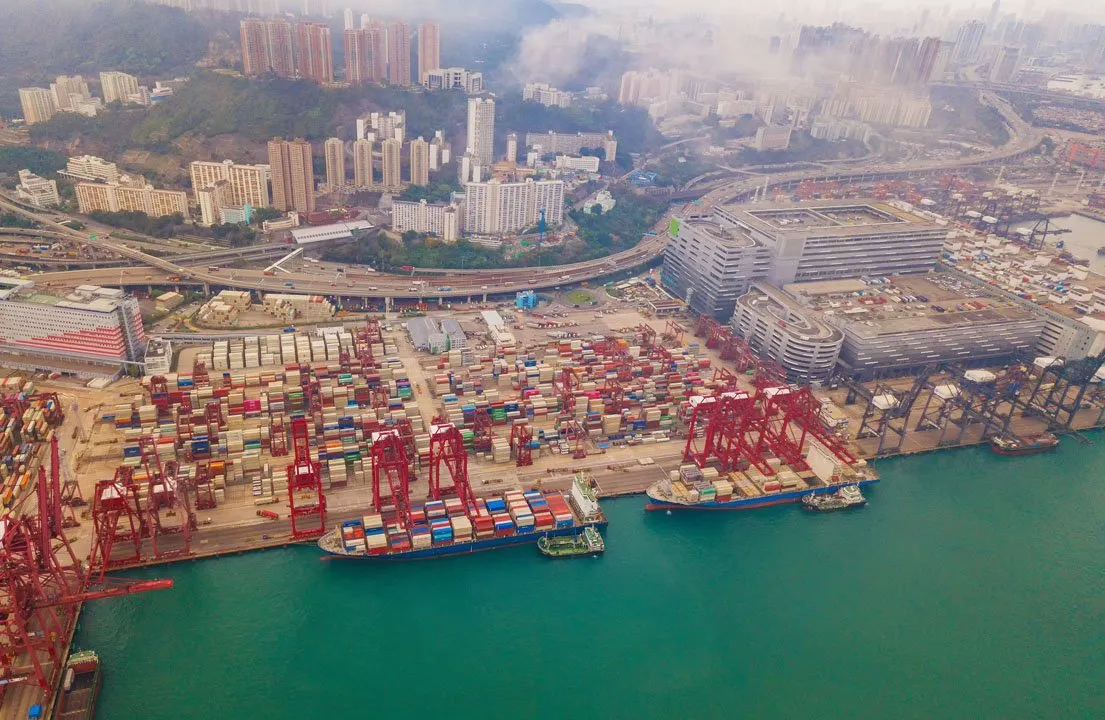
- Manila (MNL): The primary gateway, divided into the Manila North Harbour and the Manila South Harbour. It handles the majority of the country's containerised trade.
- Cebu (CEB): The central hub for the Visayas region, essential for manufacturing and consumer goods distribution.
- Davao (DVO): The gateway for Mindanao, specialising in agricultural exports and industrial imports.
- Subic Bay (SFS): An alternative to Manila that offers faster turnaround times for businesses in Central Luzon.
For more detailed data, see our guides for sea freight to Philippines and air freight to Philippines.
Cost Drivers: Avoiding Demurrage and Detention
The total cost of sea freight involves more than just the ocean rate. You must account for potential ancillary charges.
- Demurrage: Fees charged by the shipping line for the use of the container inside the port after the free time (typically 7 to 9 days) expires.
- Detention: Fees charged for holding the container outside the port area beyond the agreed period.
- Terminal Handling Charges (THC): Fees for moving the container between the vessel and the quay at both origin and destination.
- VGM Weight Discrepancy Fees: Penalties are applied if the declared VGM differs significantly from the actual weight recorded at the port.
Frequently Asked Questions
How long does sea freight take from the UK to the Philippines?
Direct sailings typically take 30 to 35 days. Shipments that involve transhipment at hubs such as Singapore or Hong Kong may take 40 to 50 days. We provide real-time tracking for all vessel movements.
What is the difference between an HBL and an MBL?
A Master Bill of Lading (MBL) is issued by the shipping line to the freight forwarder. A House Bill of Lading (HBL) is issued by Shipping International to you. The HBL is the technical document you use to claim your cargo from us at the destination.
Are there restrictions on shipping used machinery to the Philippines?
Yes, used machinery often requires specific permits from the Department of Trade and Industry (DTI). Failure to provide these can lead to seizure by the Bureau of Customs. We recommend consulting our team before booking.
What are 'Destination Charges' in LCL shipping?
These charges cover the unloading of the container at the Philippines CFS, warehouse storage, and documentation handling. These are separate from the ocean freight and are typically paid by the consignee.
Does my cargo need to be palletised?
For LCL shipments, palletisation is mandatory to ensure safe handling and stackability. For FCL, it is optional but recommended to speed up the loading and unloading process at your facility.