Project Logistics in Ethiopia: A Technical Manual for UK Exporters
Strategic Oversight for Heavy-Lift, Oversized Cargo, and Multimodal Compliance
The Ethiopian Corridor: A Strategic Overview

Ethiopia’s position as a landlocked power in East Africa creates a unique logistics landscape where over 95% of international trade relies on the Port of Djibouti. For project logistics encompassing the transport of heavy machinery, renewable energy infrastructure, and mining equipment, this dependency necessitates a multimodal approach. Shipping International acts as your technical consultant, managing the transition from ocean freight to rail or road haulage with precision.
A single error in an HS Code (Harmonised System) or a failure to account for bridge load limits in the Great Rift Valley can result in catastrophic financial losses, cargo seizure, or legal liabilities under the Ethiopian Customs Proclamation. We provide the expertise required to navigate these complexities, ensuring your project remains on schedule and within budget.


Choosing the Optimal Shipping Mode
The success of project logistics in Ethiopia depends on selecting a transport mode that balances speed, cost, and safety. Each mode has a distinct risk profile that must be managed by a Senior Logistics Consultant.
Ocean Freight (Via Djibouti)
For oversized units, Breakbulk or Flat Rack container services are the standard. Given the congestion often experienced at Djibouti ports, pre-booking vessel space and securing Direct Delivery status is essential for time-critical project components. Mismanaging the ship-to-shore transfer can lead to excessive demurrage fees, which are often billed in US Dollars, impacting your project's currency exposure.
Rail Freight: The Ethio-Djibouti Railway
The Chinese-built standard gauge railway connects the Port of Djibouti to the Modjo Dry Port. This mode offers a faster, more stable alternative to road transport for containerised cargo, reducing the risk of transit-related damage. However, rail capacity for oversized project cargo is limited by rolling stock availability and loading-gauge restrictions.
Road Haulage and Last-Mile Challenges
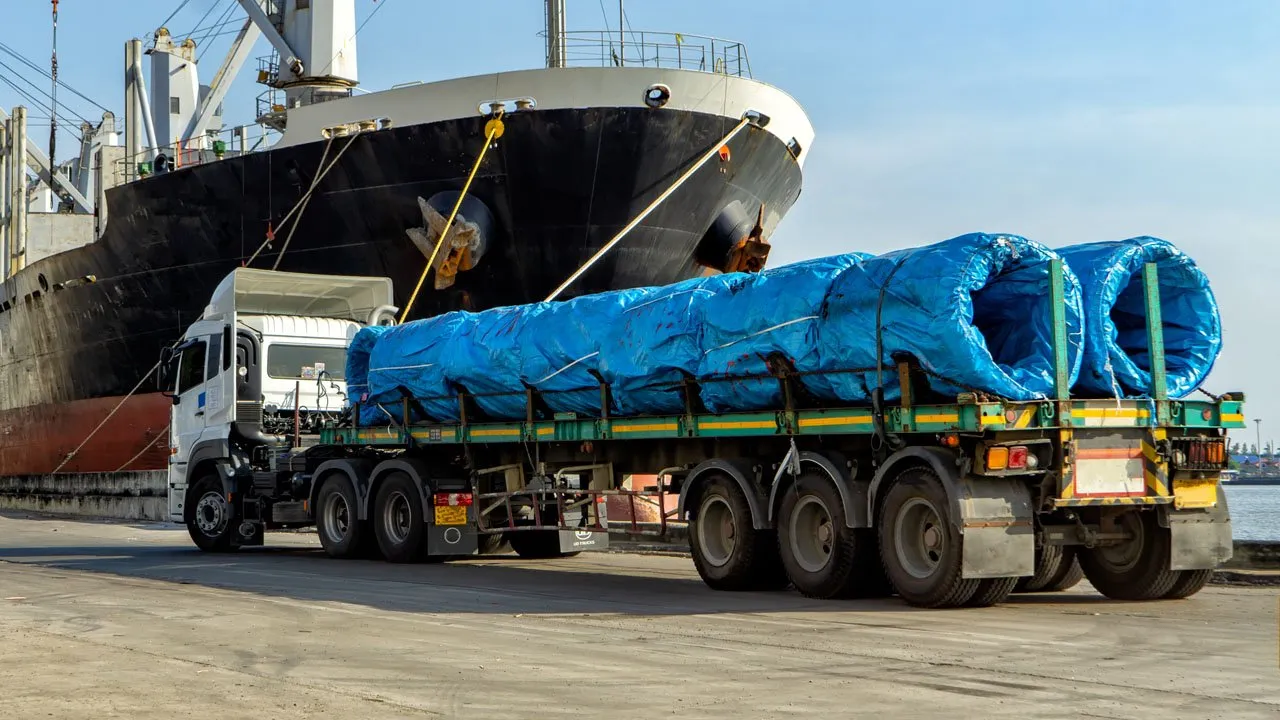
Road transit remains the only option for the final delivery of heavy-lift components to remote project sites. The Great Rift Valley presents significant topographical challenges. A Route Survey is a non-negotiable requirement to identify:
- Bridge Load Capacities: Many rural bridges cannot support units weighing more than 50 tonnes.
- Overhead Clearance: Low-hanging telecommunication lines and tunnels often obstruct oversized loads.
- Road Grade Inclines: Steep gradients require specialised Prime Movers and modular trailers to prevent engine failure or cargo shifting.
Incoterms 2020 in the Ethiopian Context
Defining the point of risk and cost transfer is vital for protecting your legal standing. While many exporters default to CIF (Cost, Insurance, and Freight), this is often unsuitable for complex projects in landlocked countries. Technical precision requires the use of Incoterms 2020 that reflect the actual delivery point.
FCA (Free Carrier): We recommend FCA for projects where the buyer has established local expertise. The seller’s risk ends once the cargo is delivered to the carrier at the agreed-upon location (e.g., a UK port).
DAP (Delivered at Place): This is the preferred term for contractors. Under DAP Addis Ababa, the seller is responsible for all costs and risks until the cargo arrives at the designated site. However, the buyer remains responsible for import clearance and the payment of all duties and taxes. This protects the seller from unpredictable delays within the Ethiopian Customs Commission.
A Critical Warning: Avoid DDP (Delivered Duty Paid) for Ethiopia. The complexity of local customs and the requirement for locally licensed agents make it nearly impossible for a foreign seller to guarantee duty payments without incurring significant legal and financial risk.
Customs Clearance, VAT, and Regulatory Compliance
Ethiopian customs regulations are notoriously stringent. Compliance is not merely a matter of paperwork; it is a financial safeguarding strategy. All documentation must align perfectly with the requirements of the UK Export Regulations and the Ethiopian Customs Commission.
Essential Documentation Checklist
- Commercial Invoice: Must clearly state the CIF value and be consistent with the packing list.
- Bill of Lading (B/L): For project cargo, a Master Bill of Lading is required. Ensure the description of goods matches the HS Codes exactly.
- Packing List: Must detail dimensions, net/gross weights, and serial numbers for each component.
- Certificate of Origin: Necessary for applying preferential tariff rates if applicable.
Financial Cost Drivers
Import Duties: These are calculated based on the CIF value. While standard rates apply, certain infrastructure, mining, and renewable energy projects may qualify for duty-free exemptions under the Ethiopian Investment Proclamation. It is critical to secure these exemptions before the cargo departs the UK.
VAT and Surtaxes: The standard VAT rate in Ethiopia is 15%. Additionally, a 10% surtax and a 3% Social Welfare Levy may apply. Failure to calculate these costs during the budgeting phase can render a project financially unviable.
Demurrage and Detention: Port storage and container use fees in Djibouti can escalate to hundreds of dollars per day. Incomplete documentation is the primary cause of these delays. Shipping International mitigates this risk by performing a pre-export document audit.
Risk Management and Heavy-Lift Rigging
Standard carrier liability, governed by the Hague-Visby Rules, is insufficient for project cargo. The financial recovery for a lost or damaged turbine or excavator would represent only a fraction of its value. Comprehensive Marine Cargo Insurance is mandatory.
Technical Mitigation Strategies
- Heavy-Lift Rigging: We utilise certified jacking and skidding systems for units that exceed the capacity of local cranes. All rigging operations must be overseen by a technical supervisor.
- Cargo Supervision: Our consultants are present on-site during the ship-to-shore transfer in Djibouti and the final offloading at the project site to document any damage for insurance purposes.
- Infrastructure Reinforcement: In extreme cases, we coordinate temporary bridge reinforcement or the construction of bypass roads to ensure safe passage.
Common Pitfalls and How to Avoid Them
Letter of Credit (L/C) Discrepancies: Ethiopia’s foreign exchange regulations are highly restrictive. If your payment is secured via an L/C, the smallest discrepancy in the shipping documents will result in the bank refusing payment. Constant communication between your bank, the consignee, and your freight forwarder is essential.
Documentation Mismatches: If the weight on the Bill of Lading differs from the packing list even by a few kilograms, it can trigger a mandatory customs inspection. This can delay your cargo by weeks and incur significant storage fees at dry ports.
Local Agent Necessity: Ethiopian law requires that a locally licensed agent handle customs clearance. Shipping International maintains vetted partnerships with reputable local firms to ensure that your project is not stalled by local bureaucracy.
Frequently Asked Questions
What is the primary gateway for project cargo entering Ethiopia?
The Port of Djibouti is the primary maritime gateway. From there, cargo is moved via the Ethio-Djibouti Railway or road to the Modjo Dry Port, which serves as the central hub for customs clearance and distribution within Ethiopia.
Are there VAT exemptions for renewable energy projects in Ethiopia?
Yes, under specific investment incentives, capital goods for renewable energy projects may be exempt from VAT and import duties. These exemptions must be processed through the Ethiopian Investment Commission prior to shipment.
How do I mitigate the risk of damage during road transit?
Mitigation requires a combination of Marine Cargo Insurance, a comprehensive Route Survey, and the use of specialised Heavy-Lift equipment. On-site supervision during all handling points is also critical for maintaining structural integrity.
Can I use DDP (Delivered Duty Paid) for shipping to Addis Ababa?
We strongly advise against DDP for Ethiopia. The complexities of local tax laws and the volatility of foreign exchange make it high-risk for the seller. DAP (Delivered at Place) is the safer and more professional choice for international contractors.
What happens if my HS Code is incorrect?
An incorrect HS Code can result in overpayment of duties, heavy financial penalties, or permanent seizure of the cargo by the Ethiopian Customs Commission. We perform an audit of all commodity classifications before the cargo leaves the UK.