
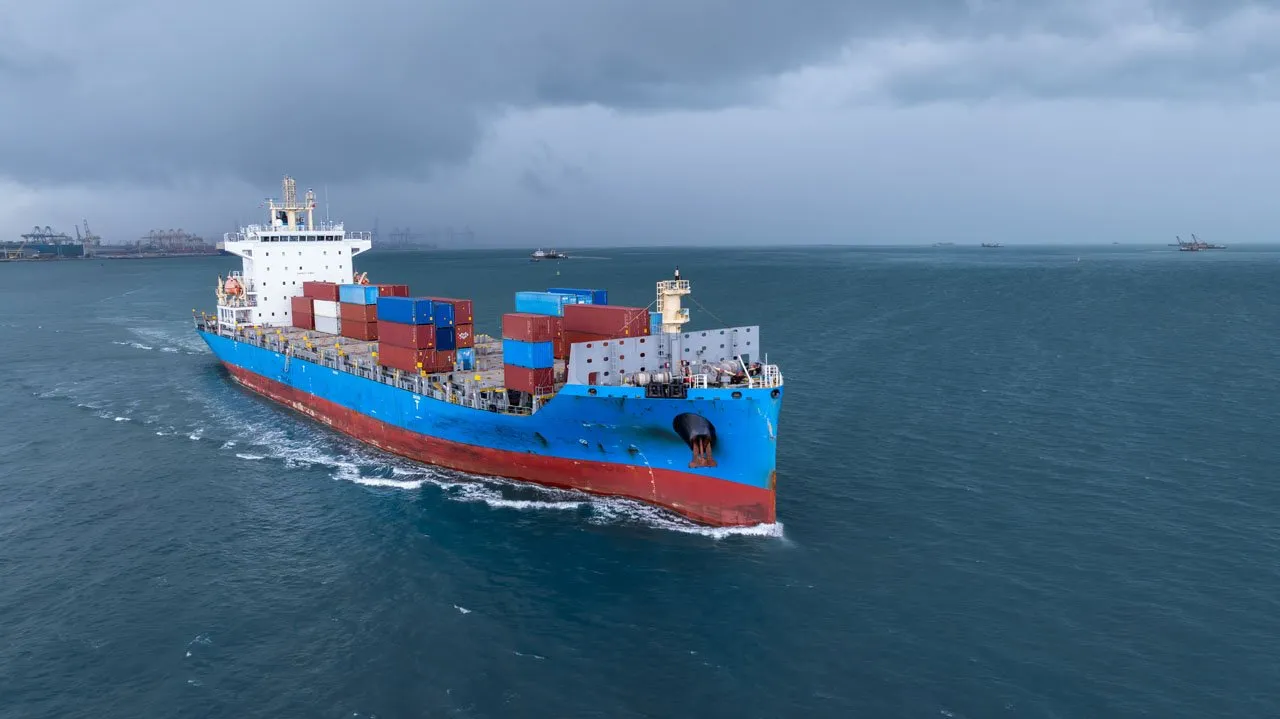
Maersk’s Golden Anniversary: 50 Years of Container Shipping and How It Shaped Modern Freight
The dawn of a new era in global trade
Before the steel box, international shipping was slow, risky, and expensive. Break-bulk cargo is moved piece by piece. Ships sat idle while armies of stevedores loaded and unloaded by hand. The shift began in the mid-1950s when Malcolm McLean championed the standard shipping container, proving that cargo packed into a single, sealed unit could move quickly between ship, rail, and truck with minimal handling. The first commercial voyage of a containership in 1956 showed what was possible and set a new course for world trade.
Yet containerisation was not adopted overnight. It demanded new vessels, cranes, terminals, inland depots, and global standards. A.P. Moller - Maersk took a measured view at first, then committed decisively. On 5 September 1975, the company launched its first fully containerised service when the ADRIAN MAERSK sailed from the US East Coast with 385 containers, marking a turning point that would reshape the company and the industry.
Shipping International operates in the system of containerisation. Reliable sea freight, integrated road freight, fast air freight, and expert customs clearance now connect UK exporters and importers to world markets with speed, predictability, and control.
Maersk’s calculated leap into containerisation
Throughout the late 1960s and into the 1970s, the numbers did not yet add up. A widely referenced internal analysis concluded that the capital commitment for ships, boxes, and terminal gear was too large to justify at that time. The caution was understandable given the scale of change required across the fleet, ports, and inland logistics.
Customer demand and competitive pressure grew. By 1973, Maersk’s leadership took the strategic decision to invest in cellular containerships, containers, and supporting equipment to keep a USA–Asia service competitive. That decision set the groundwork for a rapid operational pivot and a new era for the line.
Everything accelerated on 5 September 1975. The ADRIAN MAERSK departed the US East Coast with 385 containers, opening a fully containerised service that connected one of the world’s most dynamic trade lanes. Multiple sister ships followed as Maersk scaled up its container fleet.
The move was not a tentative pilot. It required a whole-system rebuild: ships designed around cell guides for fast loading, thousands of containers, purpose-built terminals, new operating procedures, and an intermodal mindset. The outcome was a step change in reliability and cost control, which customers quickly rewarded with increased volume.
What containerisation changed for shippers
Speed and predictability
- Standard boxes reduced port work from days or weeks to hours, cutting dwell time and improving schedule integrity.
- Fixed stow plans and crane cycles brought process discipline to loading and discharge.
Security and cargo integrity
- Sealed containers limited pilferage and weather damage.
- Less handling meant lower breakage and fewer claims.
Intermodal integration
- Containers shifted smoothly between vessels, trains, and trucks, enabling genuine door-to-door chains.
- Packaging, pallets, and load plans became more consistent, which improved warehouse throughput.
Scale and standardisation
- Ships, terminals, and inland networks grew around standard sizes and fittings, lowering unit costs.
- Digital milestones and EDI-to-API data flows matured on top of a standard physical unit, making tracking and exception management practical at scale.
The result was a global trading system capable of supporting just-in-time manufacturing, e-commerce growth, and complex cross-border supply networks. For UK businesses, it unlocked reliable access to raw materials and customers worldwide at a cost point that made new business models viable.
How UK businesses can apply these lessons today
Get the container strategy right
Choose the mode that fits the job at hand. Shipping International aligns route, service level, and equipment with your commercial goals.
- FCL suits high volumes, tight delivery windows, or goods that need dedicated space and security. It often reduces per-unit costs and handling risk for heavier consignments.
- LCL is perfect for smaller, regular flows that do not fill a box. Paying only for the space you use smooths your cash flow and inventory management.
Our sea freight team will model both options so you can compare landed costs and lead times with complete transparency.
Lock down responsibilities with the right Incoterms.
Incoterms assign who pays for which leg and where risk transfers. Clear terms stop disputes before they start. Suppose you are not sure whether FCA, FOB, or DAP is best for your shipment profile. In that case, our specialists will recommend a pragmatic option that aligns with your buying or selling strategy, documentation capabilities, and insurance coverage.
Plan customs from day one.
Documentation and tariff classification determine clearance speed and duty exposure. Shipping International handles entries, licences, and origin documentation through customs clearance experts who keep goods moving and costs contained.
Build the first and final mile properly.
Port-to-port is only half the story. Reliable pickup, devanning, and delivery keep your supply chain balanced. Our road freight network coordinates the inland legs, ensuring that boxes and loose cargo flow smoothly without bottlenecks.
Use air for time-critical moves.
When launch dates or production lines are on the line, air freight provides the speed to recover schedules. It also works well in hybrid plans where urgent SKUs fly while the balance sails.
Design for resilience
Blank sailings, port congestion, and weather events are part of modern shipping. Build buffers where needed, consider split-routing, and monitor risk indicators. Our operations team proactively manages rebookings and diversions to ensure seamless customer experiences. For background on coping with schedule changes, see our guidance on blank sailings.
Measure and lower your footprint
We help you estimate shipment emissions, select greener services where available, and improve packing density to reduce carbon per unit shipped. More intelligent networks cut costs and emissions together.
Shipping International: container-age performance with people-first service
Containerisation brought scale and efficiency. Shipping International adds precision and accountability. Expect transparent pricing, dependable ETAs, and proactive communication from booking to delivery. A single point of contact coordinates carriers, terminals, truckers, and customs so your teams stay focused on customers rather than chasing updates.
- Sea freight excellence. Competitive FCL and LCL with route engineering, space protection where required, and dependable transit plans. Explore sea freight services.
- Air that works with your clock. Priority uplift, consolidations, and time-definite options with complete milestone visibility. See air freight.
- Road that closes the loop. Port collections, final-mile delivery, and pallet networks for UK and cross-border flows. Learn more about road freight.
- Customs without the headaches. Declarations, audits, and compliance support that prevent delays and penalties. Visit customs clearance.
Technology underpins the service, but people make the difference. Our control-tower teams spot exceptions early and act. You get milestone tracking, live alerts, and a record of who did what and when. That is the Shipping International promise: container-age efficiency with white-glove care.
Mini timeline: six milestones that changed container shipping
- 1956: The Ideal X sails with 58 containers, proving the economics of the new system and kicking off modern container shipping.
- Early 1970s: Terminal and fleet investment requirements slow industry-wide adoption while major lines run the numbers.
- 1973: Maersk decides to invest in cellular ships, containers, and equipment to stay competitive on a USA–Asia service.
- 5 September 1975: ADRIAN MAERSK starts Maersk’s fully containerised service from the US East Coast with 385 containers.
- Late 1980s to 2000s: Global terminal networks expand, bigger vessels arrive, and digital data flows standardise milestones and documentation.
- 2020s: The focus shifts to resilience and decarbonisation, with lines and shippers collaborating on greener operations.
A practical, step-by-step container shipping plan
- Define the job. Clarify demand, SKU mix, stackability, and delivery window. Decide the service level that protects revenue or production.
- Pick FCL or LCL. Compare landed cost and risk. Our sea freight team models multiple routings.
- Choose Incoterms. Allocate cost and risk sensibly. We recommend workable terms and document responsibilities in purchase orders.
- Book space early. Peak periods strain capacity. We secure allocations and build fallbacks where sensible.
- Prepare customs data. Commodity codes, values, and origin documents must be accurate. Lean on customs clearance experts to avoid stops.
- Plan the first and final mile. Align collection windows, VGM submission, and return schedules with road freight to prevent demurrage or detention.
- Track and adjust. Monitor milestones, escalate exceptions fast, and communicate with consignees. Our team handles rebooks and diversions when needed.
- Close out cleanly. Confirm PODs, reconcile charges, and capture lessons for the next cycle.
Why Maersk’s 1975 pivot still matters in 2025
Maersk’s 1975 launch proved that committing fully to containerisation could unlock scale, customer trust, and network effects. The company’s own record shows the exact moment the strategy moved from theory to practice and why it succeeded: a decisive investment, a high-demand trade lane, and an integrated approach across sea and landside operations.
For UK shippers, the lesson is timeless. Big logistics wins come from system thinking, not just rate shopping. When carriers, terminals, truckers, and customs are orchestrated as one chain, reliability and cost control follow. That is the standard Shipping International delivers every day.
Frequently asked questions about container shipping.
What is the difference between FCL and LCL shipping?
FCL means Full Container Load, where your goods occupy a dedicated container. It is ideal for larger or high-value consignments that benefit from fewer touch points. LCL means Less than Container Load, where your cargo shares space with other shippers and you pay only for the space you use. LCL suits smaller volumes or regular replenishment. Compare both with Shipping International’s sea freight team to optimise cost, speed, and risk.
How did containerisation change the industry?
It created a single, standard unit that flows across ships, trains, and trucks. Handling times fell, reliability improved, and per-unit costs dropped. That efficiency drove globalisation at scale. The first commercial containership sailing in 1956 is widely cited as the moment the modern system began.
Why did Maersk wait until 1975 to launch container services?
The company weighed a major capital decision. Reports note that a 1970 internal study judged the investment too significant at that time. By 1973, leadership committed to container ships and supporting equipment, and on 5 September 1975, the ADRIAN MAERSK inaugurated Maersk’s fully containerised service from the US East Coast, carrying 385 containers.
What do freight forwarders actually do in container shipping?
A forwarder coordinates the whole chain. Shipping International books space, plans routings, manages road collections and deliveries, files customs entries, and tracks milestones. One accountable team reduces delays, demurrage, and communication gaps.
Which Incoterms should a UK SME consider?
There is no one-size-fits-all answer. Many exporters prefer FCA or FOB for clarity on handover points, while importers often choose DAP for predictable landed costs. The proper term balances control, cash flow, and administrative workload. If you are unsure, please speak to our specialists by contacting us for tailored guidance.
How can we reduce customs delays on container shipments?
Get the data right up front. Use accurate commodity codes, complete commercial invoices, and aligned Incoterms and values. Share licences and origin documents early. Our customs clearance team pre-validates entries and liaises with authorities to keep cargo moving.
Where can I learn more about ocean transit times and planning?
Transit time varies depending on the origin, destination, service type, and transhipment. For planning tips and what affects schedules, read our guide to ocean freight transit times, then ask our sea freight team to build a routing that matches your delivery window.
