
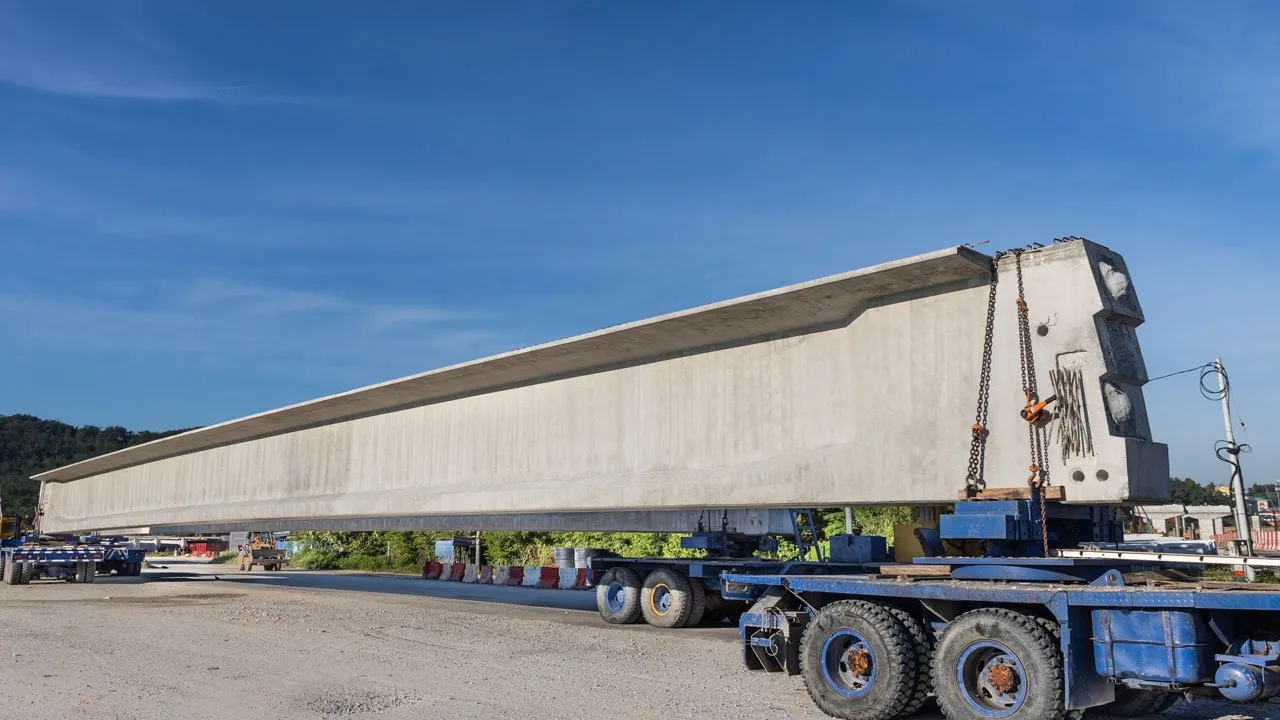
Chassis vs. Side Loader: Optimising Your International Cargo Delivery
Selecting the Optimal Delivery Method: Chassis or Side Loader?
Efficient cargo handling is paramount in international shipping. The selection of an appropriate delivery method has a significant impact on the speed, cost-effectiveness, and security of your goods. Chassis and side loader deliveries represent established options for transporting bulky or oversized cargo. A clear understanding of the specific advantages of each will enable informed decision-making and optimisation of your logistics operations.
Chassis Deliveries: Robust and Versatile
A chassis is a specialised trailer frame engineered for the transport of shipping containers. These robust, steel structures are equipped with wheels and axles for efficient road transport. Chassis are available in a range of configurations, each designed to meet specific cargo requirements. For instance, flatbed chassis provide a level surface suitable for transporting standard containers, while drop-deck chassis offer a reduced deck height to facilitate more effortless loading and unloading operations.
Chassis deliveries offer considerable versatility, providing the capacity to handle heavy loads and maintain manoeuvrability in diverse environments. However, these deliveries may necessitate the use of specialised equipment for loading and unloading, potentially increasing overall costs.
Side Loader Deliveries: Efficiency in Confined Spaces
A side loader is a specialised vehicle equipped with a hydraulic arm designed to lift and move containers laterally. This unique design enables efficient container loading and unloading without the requirement for forklifts or other heavy machinery. Side loaders are particularly advantageous in environments characterised by limited space or restricted ground access.
The principal benefit of side loaders lies in their ability to manage containers in challenging environments. However, their payload capacity is limited compared to the chassis, rendering them unsuitable for extremely heavy or oversized cargo.
Strategic Application: When to Opt for a Chassis Delivery
Chassis deliveries are ideally suited for transporting standard-sized containers, particularly those containing heavy or bulky goods. Examples include shipping containers filled with construction materials, industrial equipment, or significant machinery components. When considering a chassis delivery, ensure that the cargo's weight and dimensions are within acceptable limits to guarantee safe and compliant transport.
Strategic Application: When to Opt for a Side Loader Delivery
Side loader deliveries are most appropriate for transporting containers to locations characterised by limited space or restricted ground access. This method offers distinct advantages for delivering containers to warehouses, factories, or construction sites featuring narrow access points or uneven terrain. When selecting a side loader delivery, carefully assess the accessibility of the loading and unloading areas.
Key Considerations: Factors Influencing Delivery Method Selection
Several factors warrant careful consideration when deciding between a chassis or side-loader delivery. The nature of the cargo, its weight and dimensions, and the accessibility of the loading and unloading areas are of paramount importance. Clearly and concisely communicate your specific requirements to your shipping provider to ensure the selection of the most appropriate and cost-effective delivery method.
Requesting Your Preferred Delivery Method: A Streamlined Process
To request a specific delivery method, contact your shipping provider and clearly articulate your requirements. Provide accurate and detailed information regarding the cargo, including its type, weight, dimensions, and any specific handling instructions. Proactive communication and close collaboration with your shipping provider are essential for ensuring a smooth and efficient delivery process.
Frequently Asked Questions
What are the weight restrictions for chassis deliveries?
Weight restrictions for chassis deliveries vary depending on local regulations and the specific type of chassis used. It's essential to consult with your shipping provider to ensure compliance with all applicable weight limits.
Are side loaders suitable for transporting hazardous materials?
Side loaders can be used to transport hazardous materials, provided that all relevant safety regulations and handling procedures are strictly adhered to. Ensure that your shipping provider is fully qualified and experienced in handling dangerous cargo.
How do I prepare my cargo for delivery via a chassis or side loader?
Proper cargo preparation is crucial for a safe and efficient delivery. Ensure that your cargo is securely packed and properly labelled, and that all necessary documentation is readily available. Consult with your shipping provider for specific guidance on cargo preparation requirements.
What are the typical costs associated with chassis and side loader deliveries?
The costs associated with chassis and side loader deliveries vary depending on several factors, including the distance travelled, the weight and dimensions of the cargo, and any specialised handling requirements. Obtain a detailed quote from your shipping provider to accurately assess the costs involved.
Can I track my cargo during a chassis or side loader delivery?
Most reputable shipping providers offer cargo tracking services, allowing you to monitor the shipment's progress in real-time. Enquire about tracking options when booking your delivery.
