Project Cargo and Heavy Lift Exports to Toronto
Strategic Logistics for Non-Standard Cargo
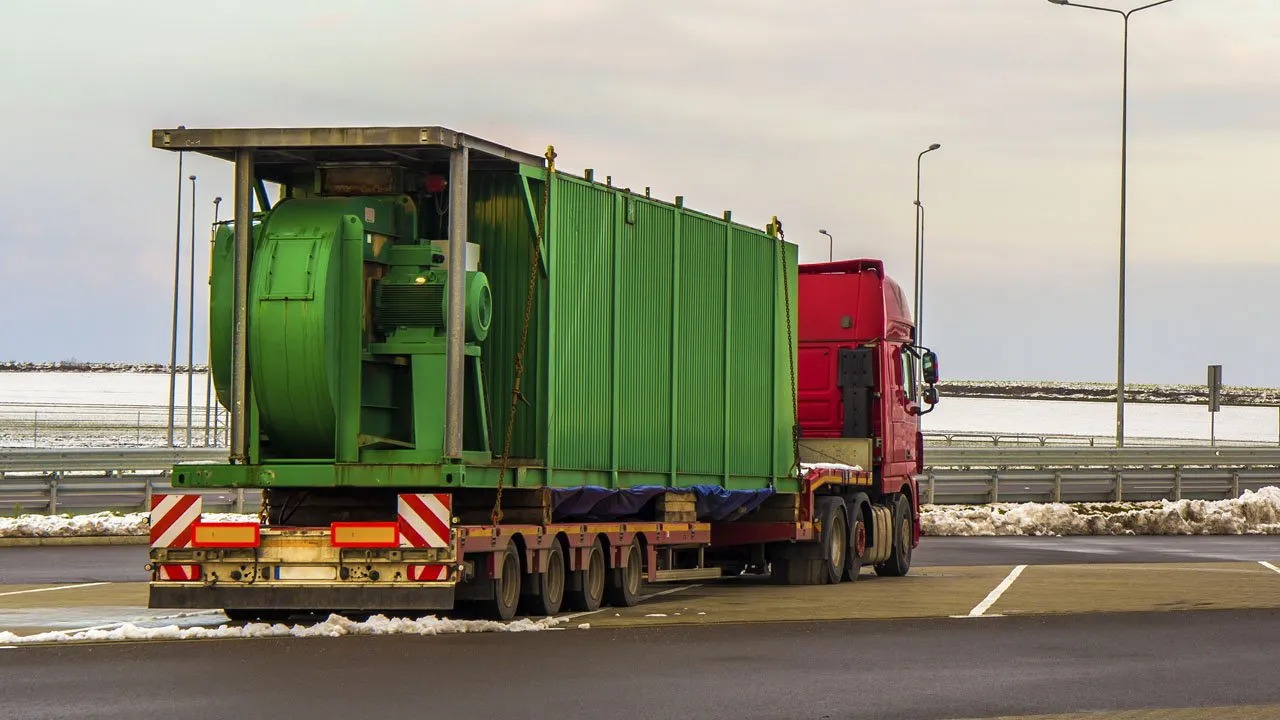
Shipping industrial machinery, oversized infrastructure components, or heavy plant from the UK to Toronto is a high-stakes operation. Unlike standard containerised freight, project cargo demands a bespoke engineering approach to lashing, securing, and inland transit. Shipping International operates as a specialist lead logistics provider, ensuring your assets move through the Port of Montreal or Saint John with 100% compliance with both UK export and Canadian import laws.
As a professional partner to firms registered with the British International Freight Association (BIFA), we adhere to standard trading conditions that prioritise cargo safety and risk mitigation. Our role is to bridge the gap between UK manufacturing sites and Ontario job sites through rigorous technical planning.
Oversized Shipping Modes: OOG, Flat-Rack, and Breakbulk
The physical dimensions of your cargo dictate the equipment and vessel type required. We specialise in three primary categories of project logistics:
Out-of-Gauge (OOG) and Flat-Racks
OOG cargo exceeds the dimensions of a standard ISO container but can still be secured to a flat-rack. These units lack side walls and roofs, allowing for over-width and over-height loading. When shipping OOG, carriers charge for lost slots—the empty spaces around your cargo that cannot be occupied by other containers. We optimise your loading plan to minimise these costs while ensuring stability during Atlantic crossings.
Breakbulk and Multi-Platform Solutions
For items that cannot be unitised, such as massive industrial boilers or wind turbine components, we utilise breakbulk methods. This involves loading cargo directly into the hold or onto the deck of a vessel. In some cases, we create a bed of flats by joining multiple flat-racks together to form a stable platform for exceptionally long or wide items.
Heavy Lift Engineering
Shipments exceeding 50 tonnes require specialised heavy-lift vessels equipped with onboard cranes or the coordination of shore-based mobile cranes at the port. Our technical team conducts feasibility studies to ensure the bearing capacity of the quay and the vessel's stability (GM) are within safe limits.
Regulatory Compliance: SOLAS, VGM, and CARM
Safety at sea is governed by the International Maritime Organisation (IMO). Under the Safety of Life at Sea (SOLAS) convention, every shipment must have a Verified Gross Mass (VGM) declared before loading. For project cargo, this includes the weight of the machinery, all timber dunnage, steel chains, and the flat-rack itself. Incorrect VGM declarations can lead to vessel instability and significant legal penalties.
On the Canadian side, the CBSA Assessment and Revenue Management (CARM) project has transformed how importers interact with the Canada Border Services Agency (CBSA). We ensure your business is correctly registered on the CARM Client Portal to facilitate the payment of duties and taxes upon arrival in Ontario. Our customs clearance specialists manage the submission of electronic manifests (eHBL) to prevent "Do Not Load" messages at the UK port.


Incoterms 2020: Defining Risk and Liability
Selecting the correct Incoterm is critical for managing the high costs associated with project cargo. We recommend clear contractual definitions based on the 2020 standards:
- FCA (Free Carrier): Ideal for buyers who want total control over the logistics chain from the moment the goods leave the UK factory.
- DAP (Delivered at Place): The seller is responsible for all costs and risks until the cargo reaches the Toronto site, excluding import clearance and taxes.
- CPT (Carriage Paid To): Often used for multi-modal moves where the seller pays for freight to a named place, such as a rail terminal in Toronto, but risk transfers at the first carrier.
Consult the International Chamber of Commerce (ICC) for full definitions to ensure your commercial invoice aligns with your logistics strategy.
Inland Transit to Toronto: The Ontario Leg
The journey does not end at the Canadian coast. Most sea freight arrives in Montreal before moving to Toronto via the CN or CP rail networks. For OOG loads, this final leg is often the most complex. We coordinate with the Ontario Ministry of Transportation to secure:
- Oversize/Overweight (O/O) Permits: Mandatory for loads exceeding standard width (2.6m) or height (4.15m).
- Pilot Cars: Escort vehicles required for exceptionally wide loads to ensure public safety on Ontario highways.
- Route Surveys: Physical inspections of bridge heights and turning radii to ensure the heavy-haul trailer can reach the final Toronto destination.
Cost Drivers and Surcharges in Project Logistics
Project cargo pricing is volatile and influenced by several technical factors:
- Bunker Adjustment Factor (BAF): A surcharge covering the cost of marine fuel, which fluctuates with global oil prices.
- Lashing and Securing Costs: The cost of specialised labour and materials (chains, turnbuckles, heat-treated timber) required to meet maritime safety standards.
- Demurrage and Detention: Fees incurred if the specialised equipment is held at the terminal beyond the agreed free-time, which is often shorter for flat-racks than for standard containers.
We provide transparent cost breakdowns to ensure you understand the "all-in" price for moving your project logistics to Canada.
Frequently Asked Questions
What is the difference between OOG and Breakbulk?
OOG (Out-of-Gauge) refers to cargo that is loaded onto a standard container unit (like a flat-rack) but exceeds its dimensions. Breakbulk refers to cargo that cannot be unitised at all and is loaded directly into the ship's hold or on deck as individual pieces.
How do I calculate the VGM for a flat-rack shipment?
You must use a calibrated and certified scale to weigh the cargo after it has been secured. The VGM is the sum of the cargo weight, the weight of the lashing equipment (chains/timber), and the tare weight of the flat-rack container itself.
Can Shipping International handle heavy lift road transport in the UK?
Yes. We arrange the entire road freight journey from your UK facility to the port, including STGO (Special Types General Order) permits for loads that exceed standard UK weight limits.
How long does it take for OOG cargo to reach Toronto?
Typically, you should allow 21 to 28 days. Ocean transit takes 10 to 14 days, but the additional time is required for specialised handling at the ports and the slower transit times of heavy-haul trailers or rail cars to Ontario.