UK to Ananindeua: Reliable Reefer (Refrigerated Container) Shipping
Cold Chain Logistics to Pará, Brazil
Shipping temperature-sensitive cargo from the United Kingdom to Ananindeua requires precise planning. Ananindeua lies in the state of Pará, in Brazil's northern Amazon region. The tropical climate, high humidity, and distance from major southern Brazilian hubs make this route demanding. Your supply chain must withstand these challenges to ensure goods arrive without spoilage or degradation.
Shipping International manages the entire process for UK exporters. We move pharmaceuticals, chemicals, frozen foods, and fresh produce. We connect UK ports like Felixstowe, Southampton, and London Gateway to the closest entry points for Ananindeua, typically the Port of Belém or Vila do Conde. We handle sea freight, documentation, and final road delivery to your buyer's door.
Temperature deviations can ruin a shipment in a matter of hours. We use equipment that maintains the cold chain from your loading bay in the UK to the final destination in Brazil. This guide explains how we control risks, manage Brazilian customs, and keep your cargo safe.
The Logistics Route: UK to Ananindeua
Port Selection and Transit Times
Ananindeua is part of the Greater Belém metropolitan area. Direct calls from the UK to Northern Brazil are rare. Most services involve transhipment at major hubs in Europe (Rotterdam, Antwerp) or occasionally via Caribbean hubs, depending on the carrier.
Cargo typically discharges at:
- Port of Belém (BRBEL): Located near the city centre, suitable for smaller vessels and specific services.
- Port of Vila do Conde (BRVLC): Located in Barcarena, roughly 60 miles from Ananindeua. This is a deep-water port handling larger container vessels.
Transit times vary based on the service loop. A typical journey takes between 25 and 40 days. Exporters must account for this duration when packing perishable goods. We help you select carriers that offer the best balance of speed and reliability for your specific shelf-life requirements.
Inland Transport and Gensets
Once the container clears customs, it travels by road to Ananindeua. The climate in Pará is hot and humid year-round. A standard reefer container relies on the ship’s power or a terminal’s power. On the road, it needs an independent power source.
We provide clip-on generator sets (gensets) for the road leg. These attach to the container and power the refrigeration unit during the truck journey. This ensures the temperature remains stable while the truck navigates traffic or waits at distribution centres. Without a genset, the internal temperature rises rapidly in the Amazonian heat.
Reefer Equipment and Technology
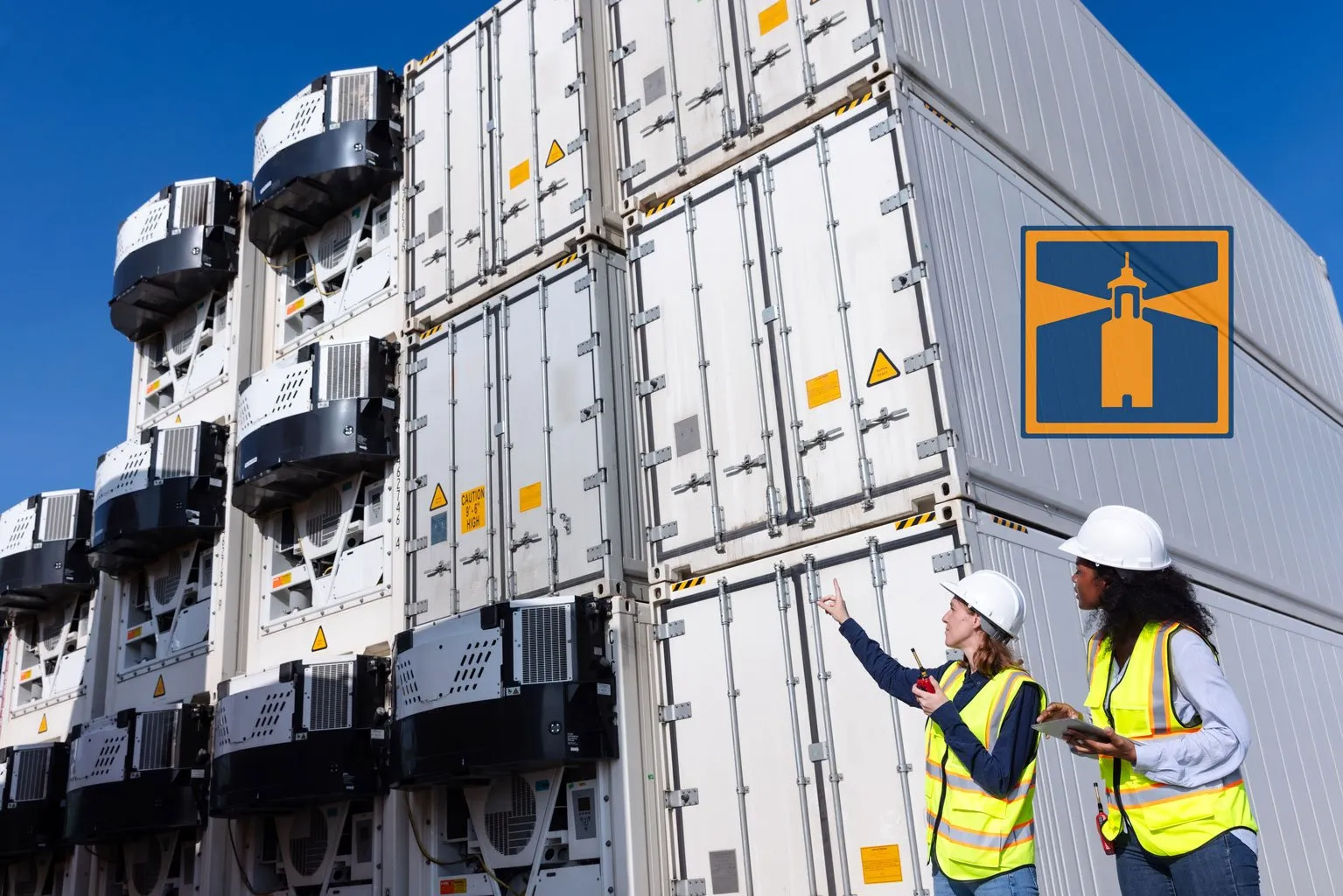
We use specific container types to match your cargo needs. We inspect all equipment before it arrives at your UK loading site to ensure it is clean, odour-free, and mechanically sound.
20ft and 40ft High Cube Reefers
Standard reefer containers come in two main sizes. The 20ft reefer handles heavy, dense cargo, such as frozen meat or concentrated liquids. The 40ft High Cube reefer offers greater volume, making it ideal for lighter goods such as pharmaceuticals, flowers, or boxed vegetables. Both sizes allow you to set temperatures between -30°C and +30°C.
Controlled Atmosphere (CA)
Some goods ripen or degrade if exposed to normal air for weeks. Controlled Atmosphere containers let us adjust the gas mix inside the box. We lower oxygen levels and increase carbon dioxide levels to slow the ripening of fruit and vegetables. This technology is vital for shipping fresh produce over long transit routes to Brazil.
Ventilation and Humidity Control
Fresh goods breathe. They release heat and gases. We set ventilation vents to specific cubic metres per hour (CBM/h) to flush out ethylene and heat. For moisture-sensitive goods, such as electronics or dry chemicals, we use dehumidification settings to keep the internal air dry. Incorrect ventilation settings are a common cause of cargo claims. We check these settings against your technical specifications before the ship departs.
Documentation for Brazilian Customs
Brazil has one of the most complex customs environments in the world. Errors in paperwork lead to severe fines, long delays, and even cargo seizure. The Brazilian customs system (Receita Federal) demands total accuracy.
Essential Documents
You must provide a complete document set. We review these before you ship to prevent issues at arrival.
- Commercial Invoice: Must include the importer’s CNPJ (tax ID), exact unit prices, Incoterms, and a detailed description of goods. The description must match the NCM (Harmonised System) code exactly.
- Packing List: Must list gross and net weights, package types, and marks and numbers. These must match the physical cargo 100%.
- Bill of Lading (BL): The master transport document. For Brazil, the freight amount must be declared on the BL. The NCM code must appear on the BL.
- Certificate of Origin: Required if you are claiming preferential duty rates under a trade agreement, though this is less common for UK-Brazil trade than EU-Brazil trade.
Wooden Packaging and ISPM 15
Brazil enforces ISPM 15 standards strictly. Any wooden pallets, crates, or dunnage must be heat-treated and stamped. If customs officers find unstamped or bark-covered wood, they may reject the entire shipment. We recommend using plastic pallets where possible to avoid this risk completely.
Specific Health Certificates
Food, beverages, and animal products require approval from MAPA (Ministry of Agriculture, Livestock and Supply). You must register products before shipping. The health certificate issued in the UK must follow the exact model agreed between the UK and Brazil. We guide you through this compliance step to ensure your customs clearance proceeds smoothly.
Best Practices for Packing Reefers
A high-tech container cannot save a poorly packed shipment. Airflow is the mechanism that cools the cargo. If you block the air, the cargo spoils.
Stowage Guidelines
- Do Not Load Above the Red Line: Inside the container, a red load line marks the maximum height. Loading above this line blocks the return air vent, causing the cooling system to short-cycle.
- Cover the Floor Properly: The floor is a T-bar grating. Cold air flows up from the bottom. The floor must be covered evenly to force air through the cargo, but not so tightly that air cannot move.
- Secure the Cargo: Sea transport involves rolling and pitching. If pallets shift, they can crush cartons and block airflow. We use specific dunnage and bracing materials suited for refrigerated environments.
Pre-Cooling Cargo
Reefer containers are designed to maintain temperature, not to lower it. You must pre-cool your goods to the transport temperature before loading. If you load warm cargo into a cold container, the refrigeration unit may ice up and fail, or the pallet's centre may never reach a safe temperature.
Risk Management and Insurance
Shipping to South America involves risks. Ports can face strikes, customs can strike, and weather can delay vessels. Reefer cargo is high-value and high-risk.
Cargo Insurance
Carrier liability is limited by international conventions (often less than the value of the goods). We strongly recommend "All Risks" marine cargo insurance that specifically covers temperature variation and reefer breakdown. If the machinery fails for more than 24 hours, insurance covers the loss. We can arrange this cover as part of your freight package.
Pre-Trip Inspection (PTI)
Every container undergoes a Pre-Trip Inspection before we release it to you. Technicians check the cooling unit, the power supply, and the structural integrity. This reduces the chance of mechanical failure during the voyage.
Shipping Pharmaceuticals to Ananindeua
The pharmaceutical sector in Ananindeua and the wider Belém region relies on imported medical supplies. Shipping drugs and vaccines requires compliance with Good Distribution Practice (GDP).
We offer specialised "Pharma Grade" containers. These units are cleaner and subject to more rigorous maintenance checks. For extremely sensitive items, we use active data loggers. These devices sit inside the carton and record temperature independent of the ship's system. This data proves to the Brazilian health authority (ANVISA) that the product stayed within range throughout the journey.
For urgent medical shipments, we also offer air freight services to Belém International Airport (BEL), followed by temperature-controlled vans to Ananindeua.
Cost Drivers for Reefer Shipping
Understanding what drives the price helps you budget accurately.
- Energy Costs (BAF): Reefers use power. Carriers charge a premium, often bundled into the Bunker Adjustment Factor (BAF) or a separate electricity surcharge.
- Seasonality: During peak fruit export seasons in South America, container equipment becomes scarce. Prices for northbound and southbound trade can fluctuate based on equipment availability.
- Demurrage and Detention: Brazil customs clearance takes time. If the container sits at the port of Belém longer than the "free time" allowed by the shipping line, you pay daily fees (demurrage). We negotiate extended free time for our clients to buffer against customs delays.
For a precise cost breakdown, check our sea freight services or speak to our pricing team.
Why Choose Shipping International?
We do not just book a slot on a ship. We manage the trade lane. Our team understands the specific hurdles of the UK-Brazil route. We check your documents before the ship sails to prevent fines. We track the vessel daily. We communicate with local agents in Pará to ensure the trucker is ready when the container arrives at the quay.
Whether you need sea freight to Brazil for a full container of frozen fish or project logistics for heavy machinery, we have the network to deliver.
Frequently Asked Questions
How long does shipping take from the UK to Ananindeua?
Sea freight transit times typically range from 25 to 40 days, depending on the routing and transhipment points. Cargo usually arrives at Vila do Conde or Belém and travels by road to Ananindeua. We can provide specific schedules based on your readiness date.
What temperature range can you maintain?
Our reefer containers maintain temperatures between -30°C and +30°C. For specialised products requiring lower temperatures (such as blood plasma or certain fish), we can source Super Freezers that reach -60°C.
Do I need a genset for road transport in Brazil?
Yes, we highly recommend a generator set (genset) for the road leg from the port to Ananindeua. The high ambient temperature in Pará means cargo can warm up quickly if the power is cut. A genset keeps the cooling unit running while the truck is moving.
What documents do I need for Brazilian customs?
You need a Commercial Invoice, Packing List, and Bill of Lading at a minimum. The invoice must include the importer’s CNPJ tax ID and correct NCM codes. Depending on the goods, you may also need a Certificate of Origin or health certificates from the UK authorities. We review all paperwork to ensure it meets Brazilian standards.
Can you handle customs clearance in Brazil?
Yes, we work with licensed customs brokers (Despachantes) in Brazil who understand the local regulations in Pará. See our customs brokerage page for more details on how we support your compliance needs.
What happens if my goods are held by customs?
If customs flag your shipment for inspection (Red Channel), physical verification occurs. This causes delays. We monitor this process and ensure the correct information reaches the customs auditor quickly to minimise storage costs and release the goods.
Is cargo insurance mandatory?
It is not legally mandatory for the shipper, but it is risky to ship without it. Carrier liability is low. We recommend All-Risks insurance to cover the full value of your goods against damage, theft, or temperature excursions.